LAB + BENCH TESTING
Testing
PolyLoc dissolution, bridging and comparison-test results with measured endpoints, supporting photos and direct time-lapse video.
PolyLoc Temperature-Series Dissolution
3D SLOT TEST
86% fluid retained through a 0.025-inch slot
20 cp guar • 5-minute conditioning • 200 psi • 0.025-inch slot • 15-second test
PolyLoc was conditioned in a 20 cp guar solution and tested through a narrow slot under pressure. The recorded test retained 86% of the fluid, supporting temporary bridging / pack-off behavior.
POLYLOC 100°F
100°F Dissolution Test
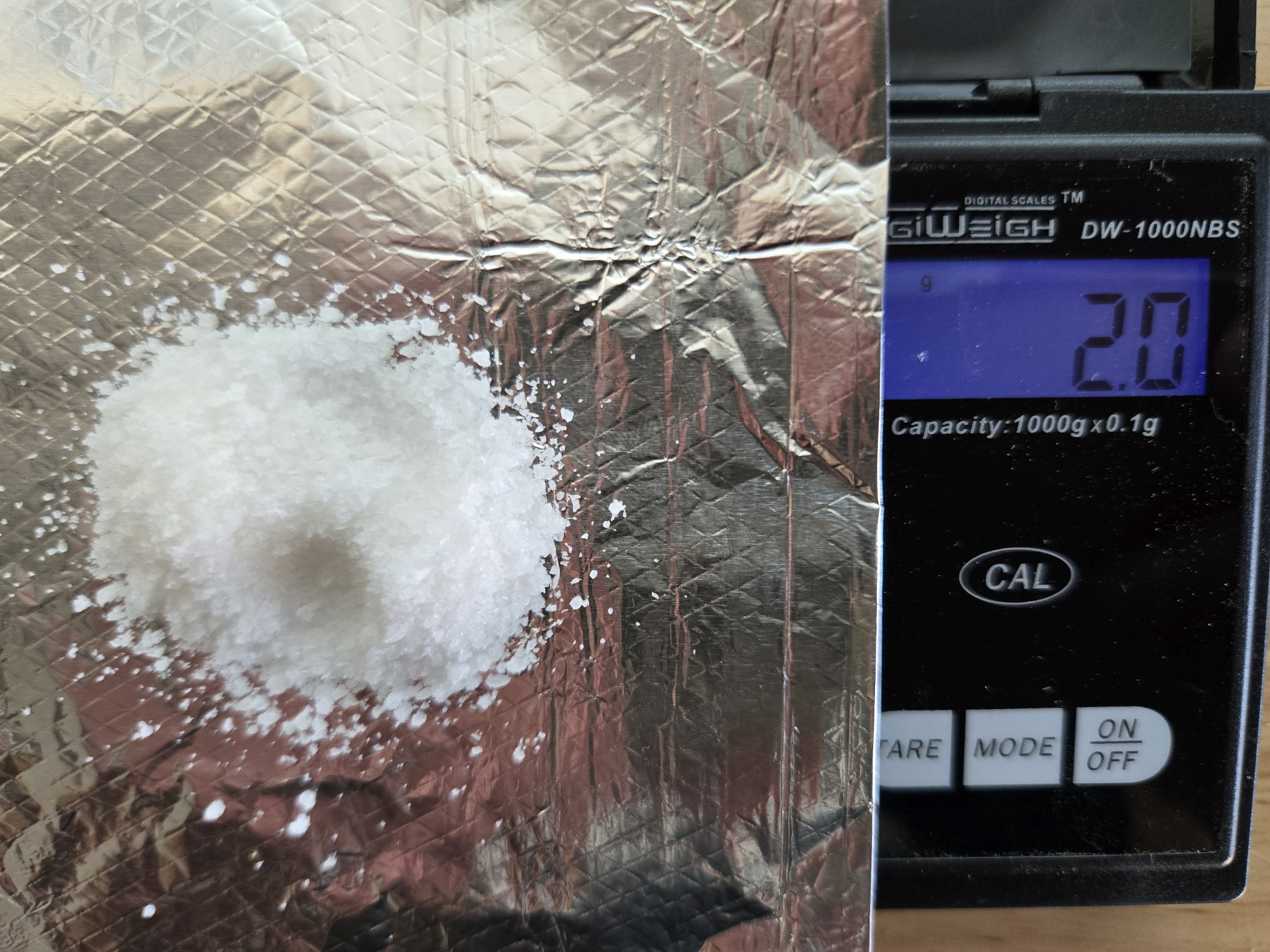
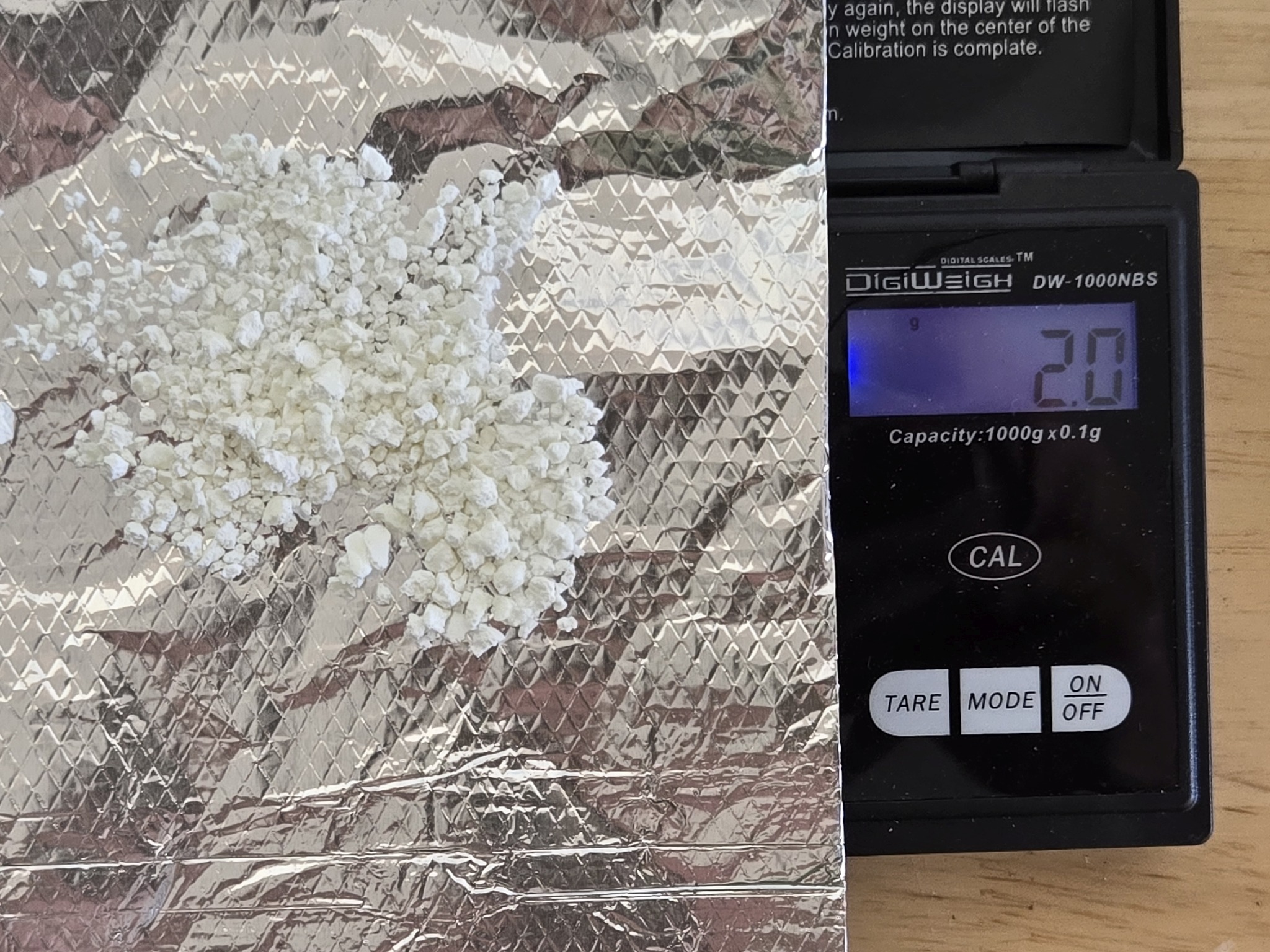
2.0 g start • 66 hr 55 min • 0.0 g measurable dry residue
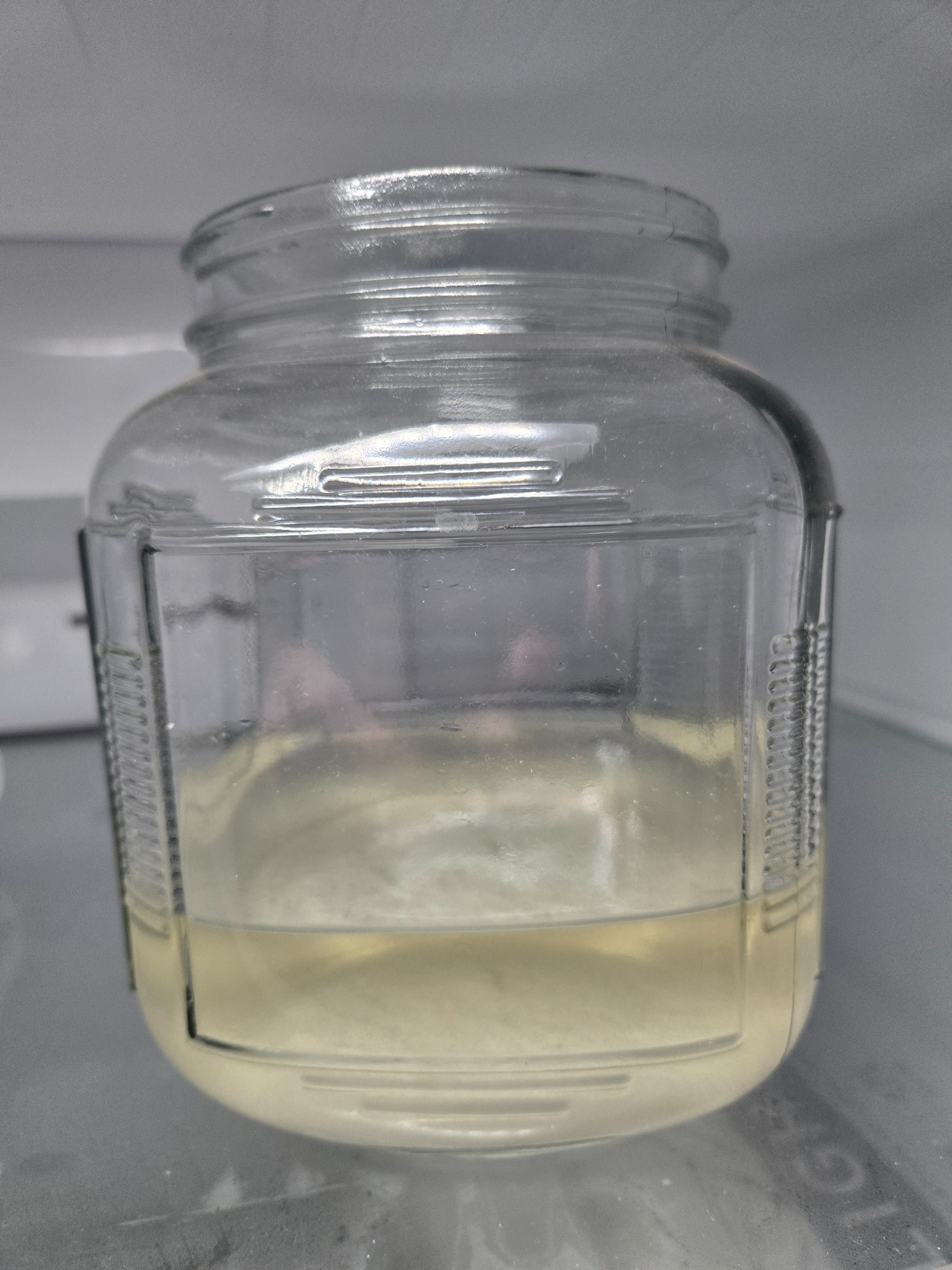
100% screen pass-through under the recorded criterion. Fine pass-through material was visible after refrigeration; no measurable dry residue was retained on the screen.
Time-lapse frequency: 1 frame every 10 seconds.
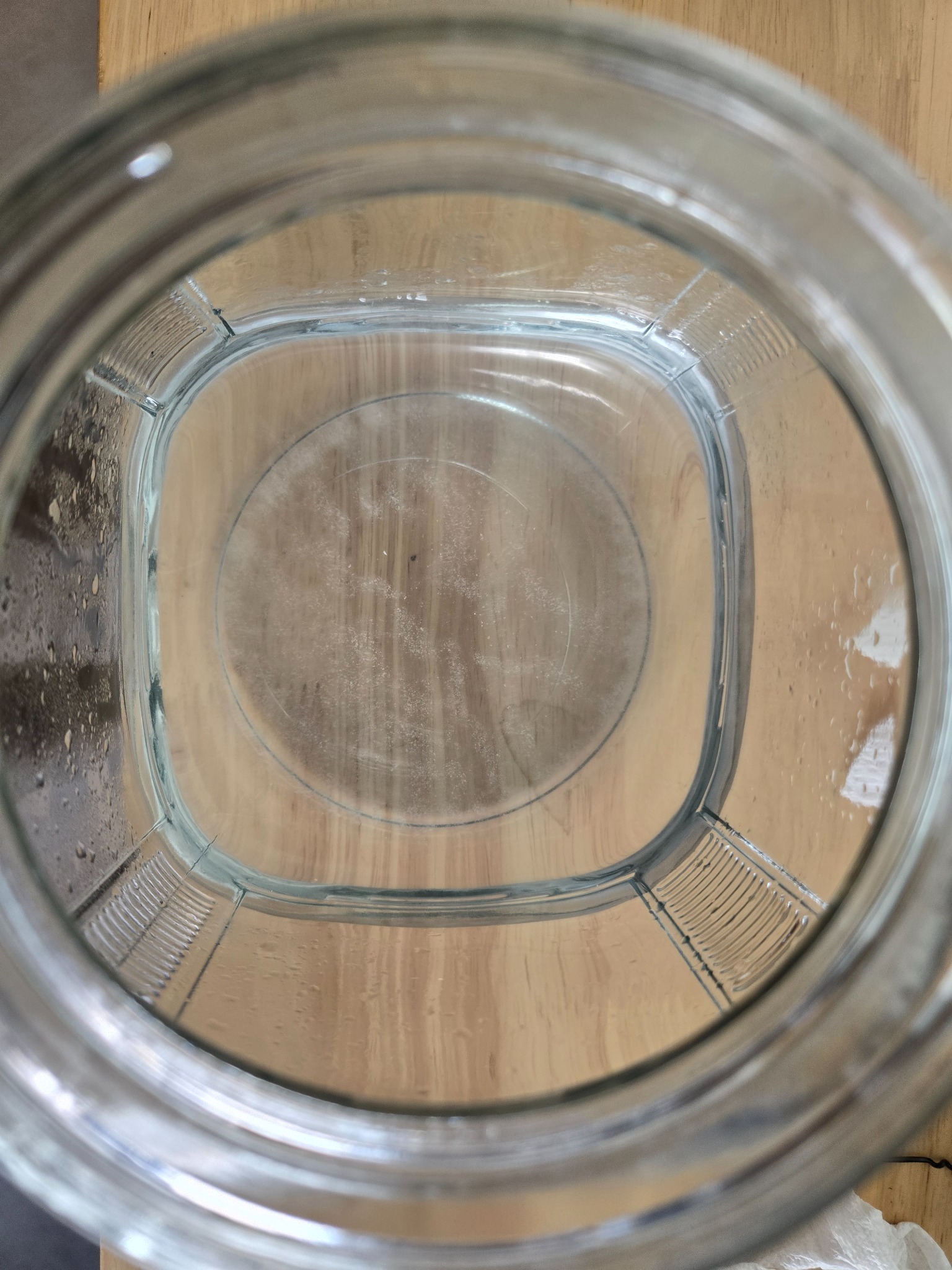
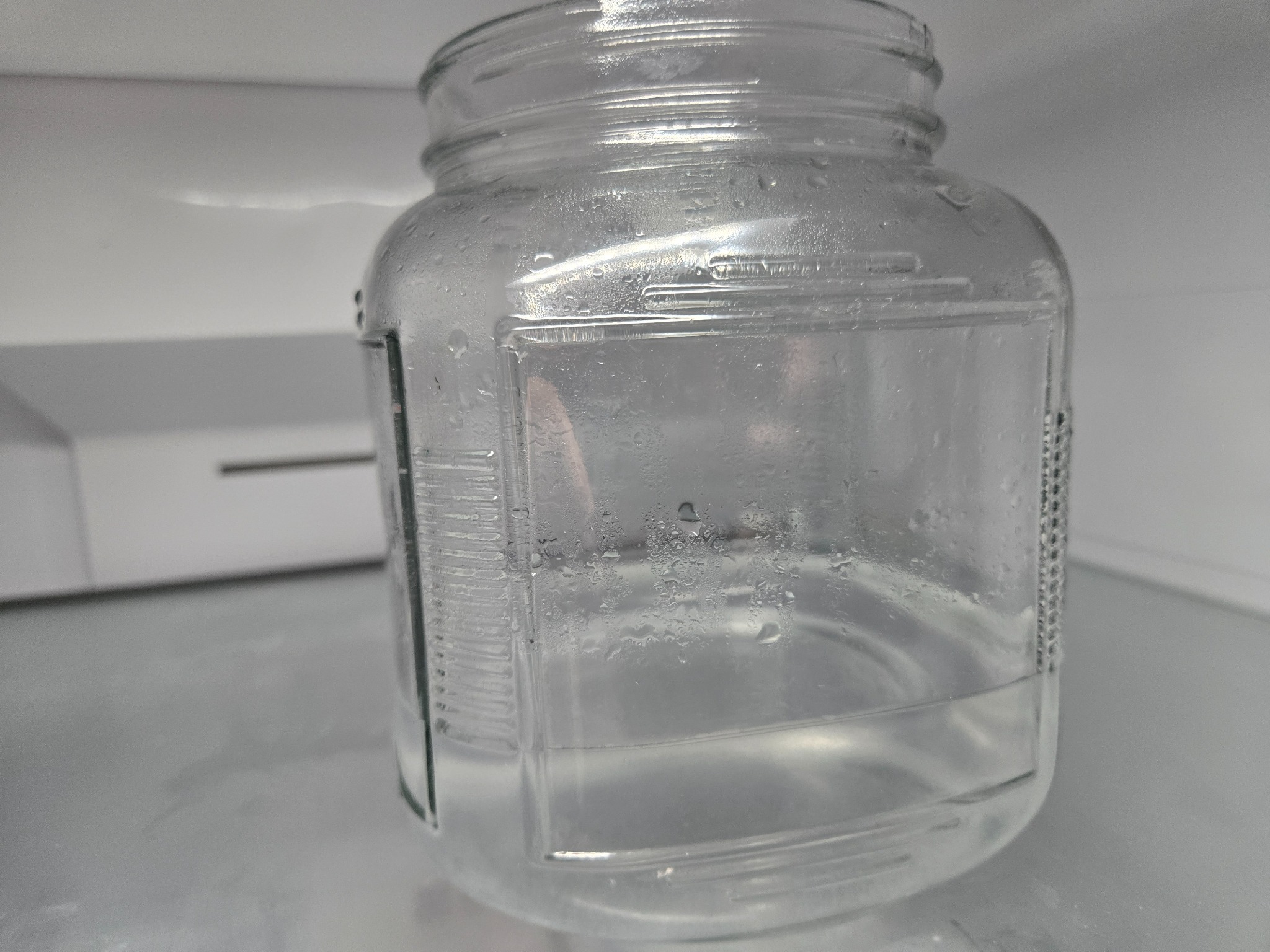
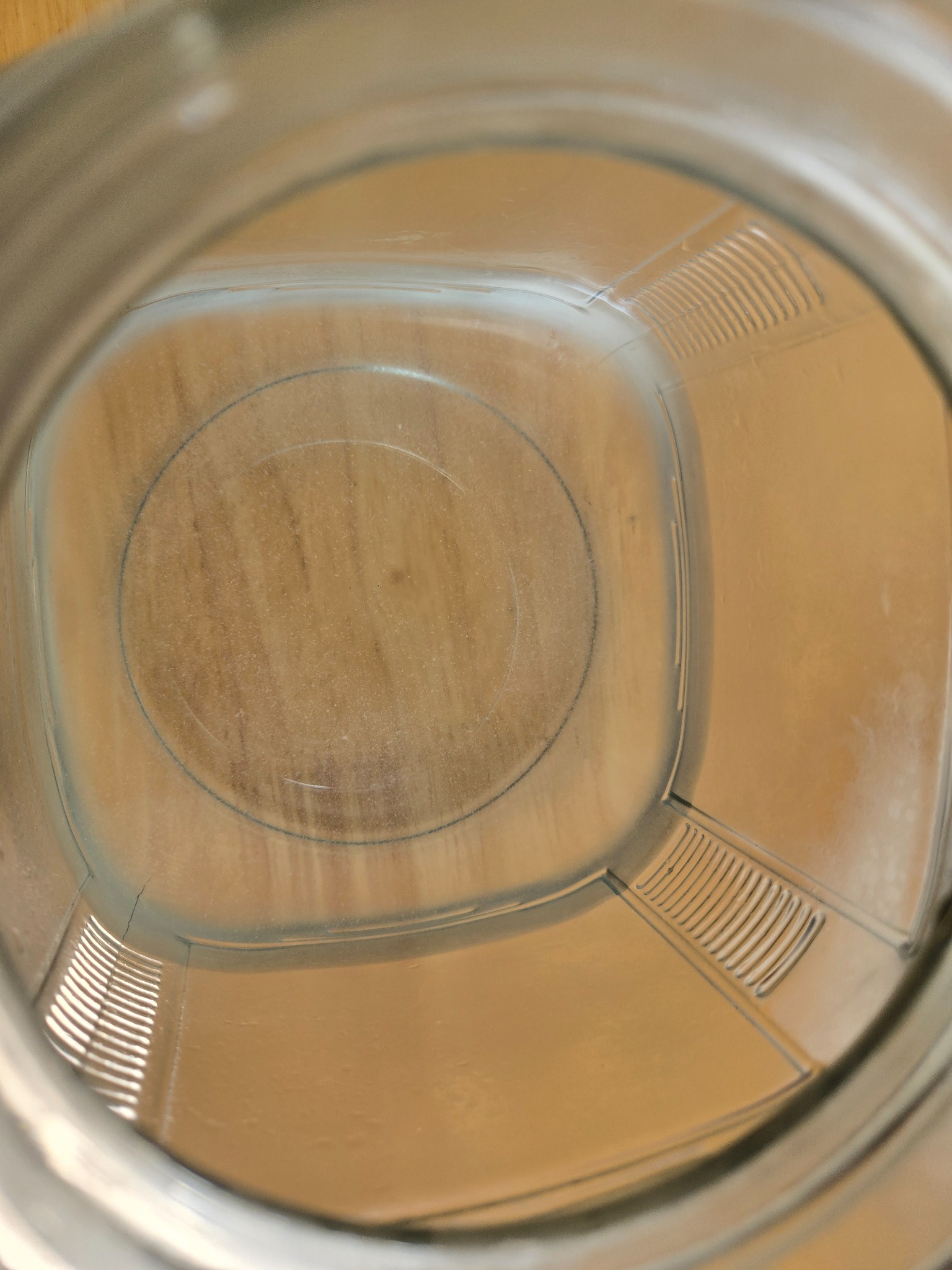
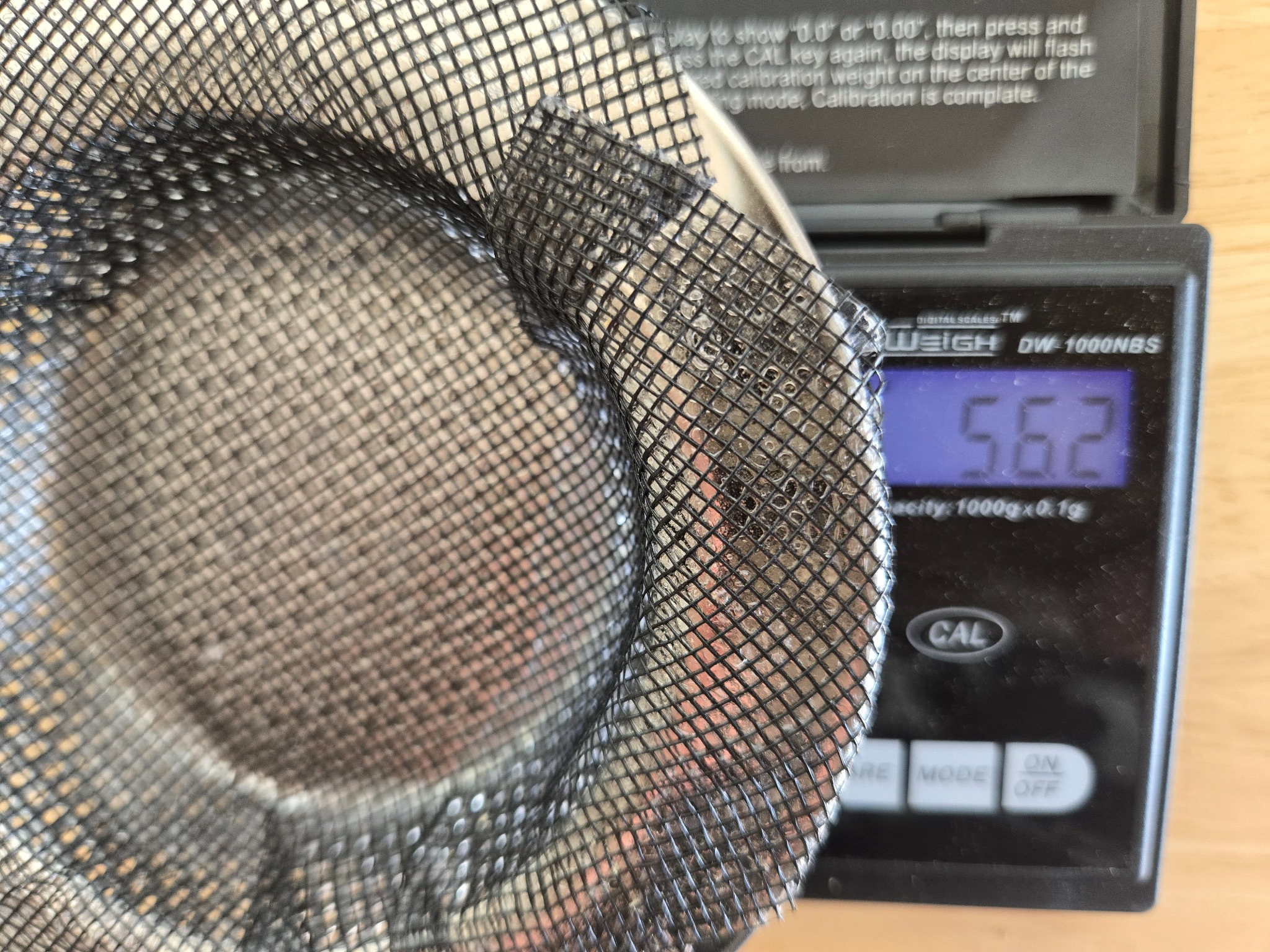
PolyLoc 100°F — Test Photos
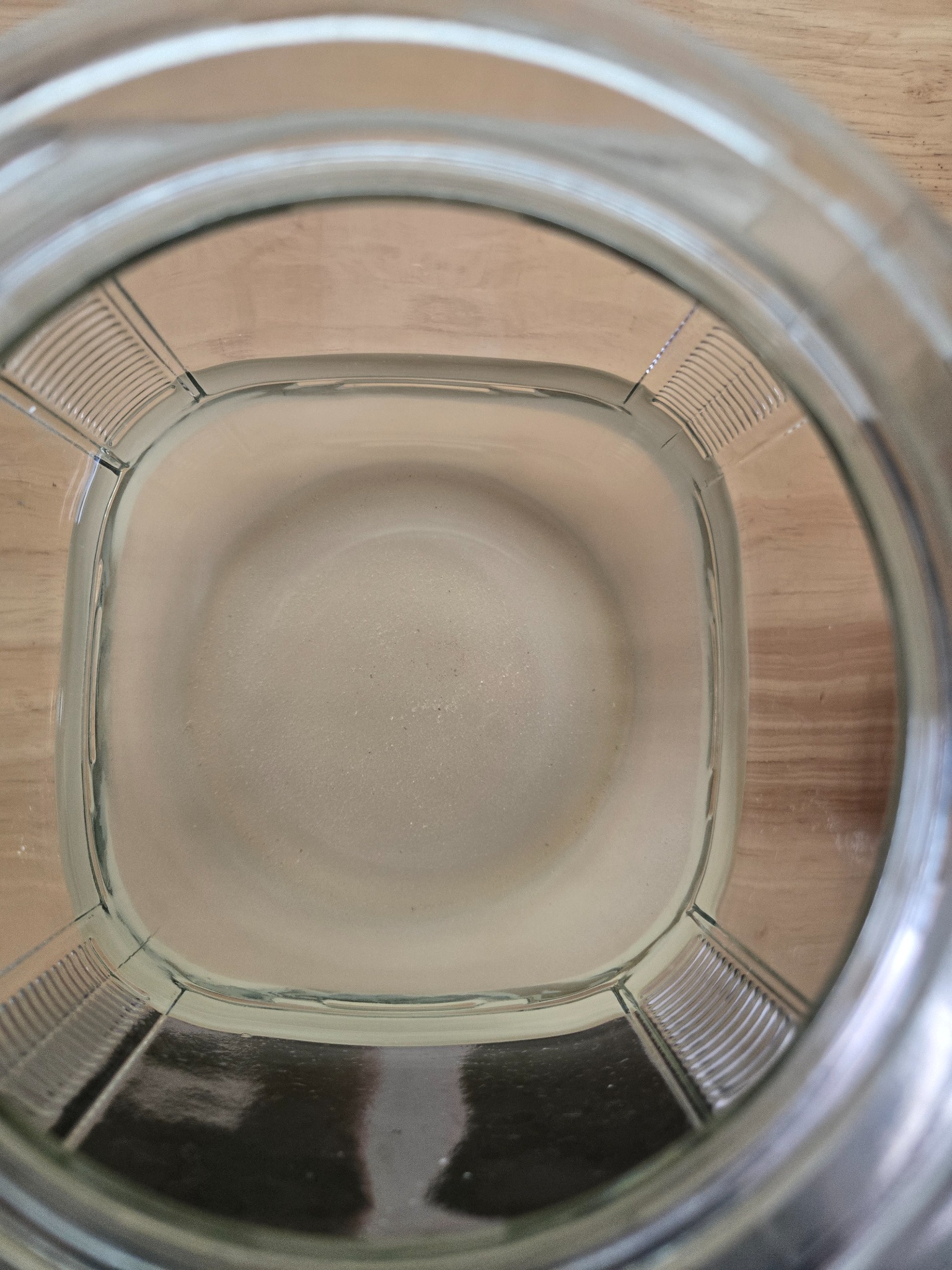
Test duration: 66 hr 55 min | Measurable dry material retained: 0.0 g. The test had no measurable dry residue retained on the strainer.
POLYLOC 120°F
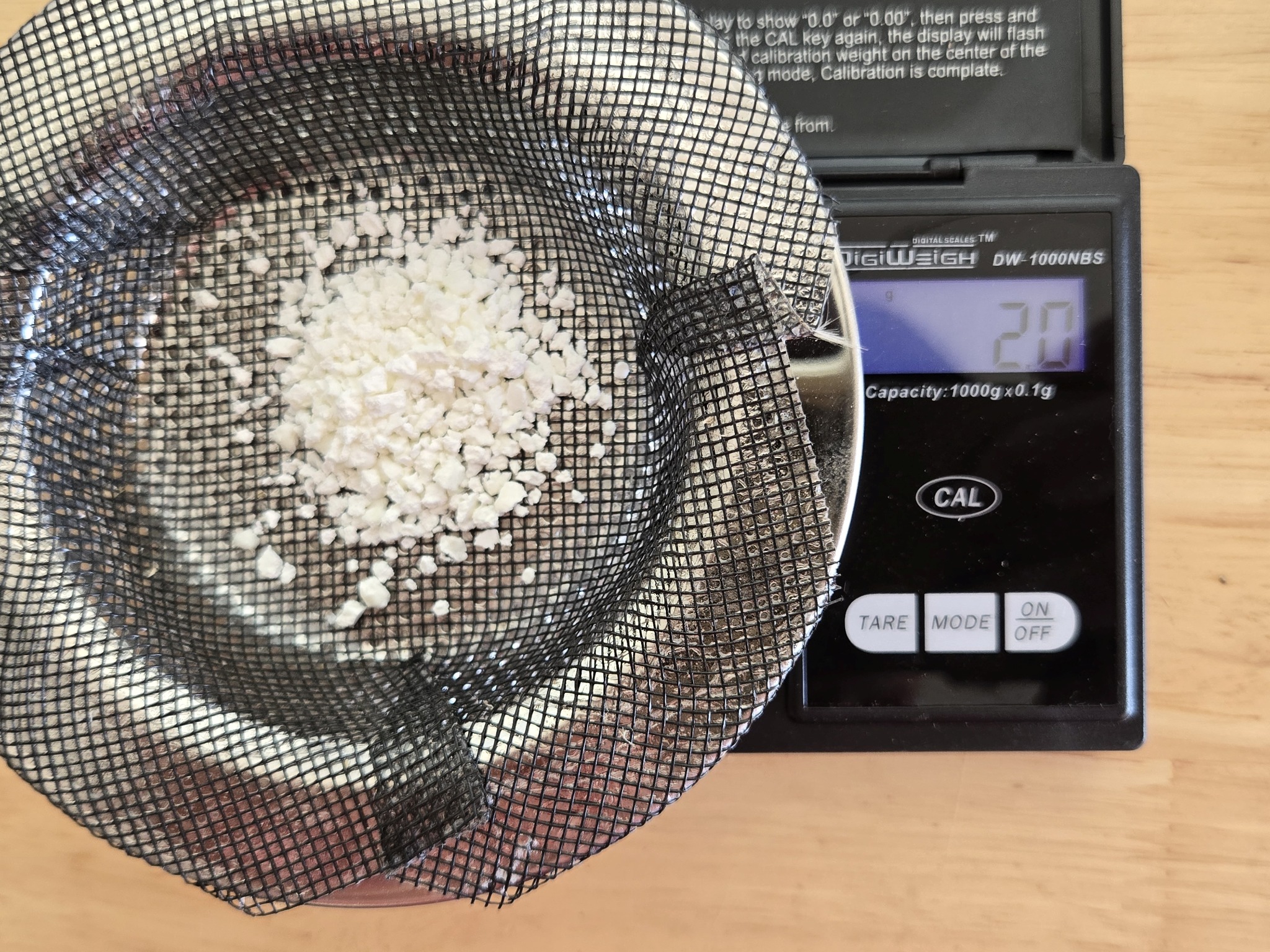
120°F Dissolution Test
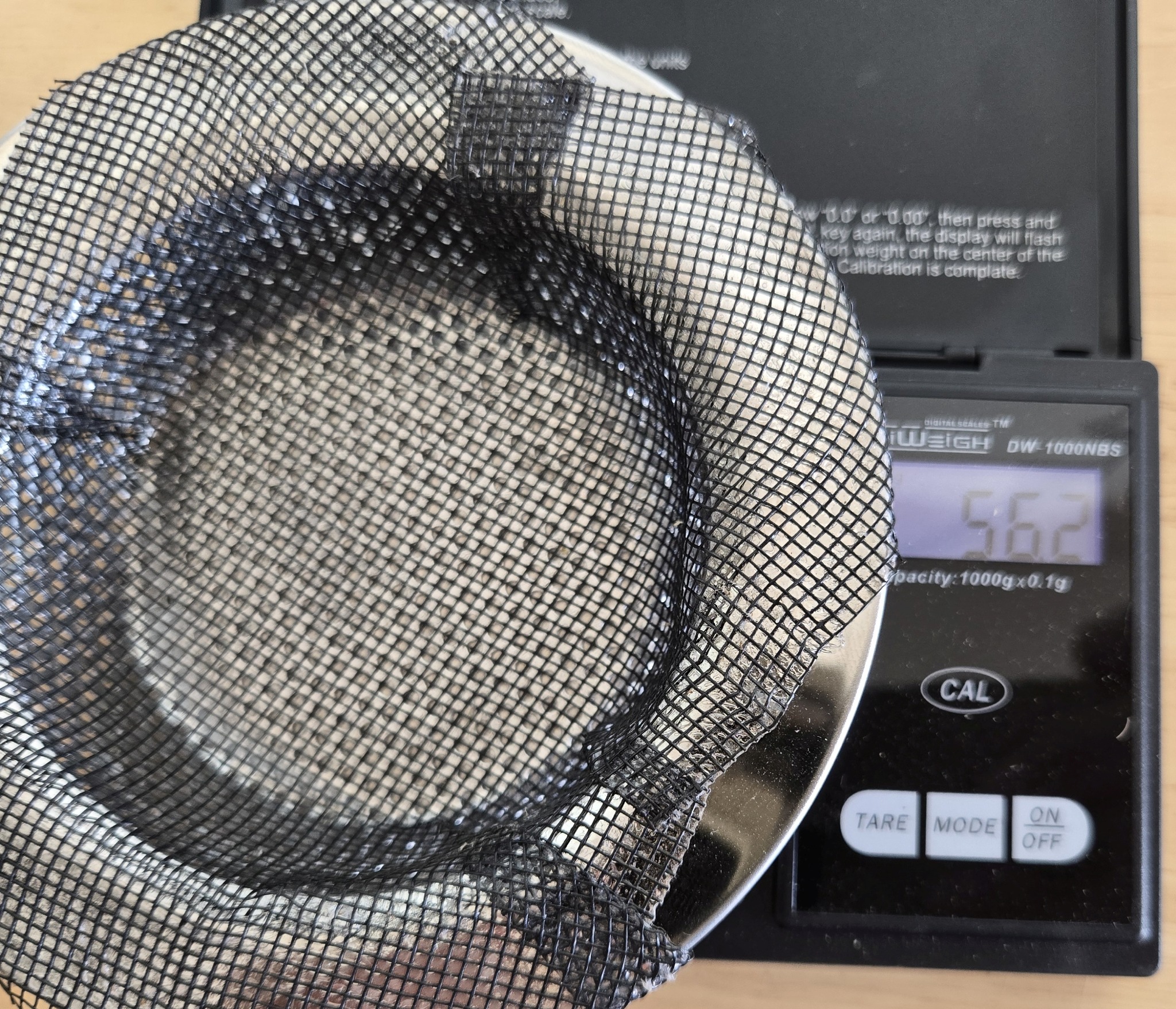
2.0 g start • 550 mL water • 21 hr 26 min • 0.0 g measurable dry residue
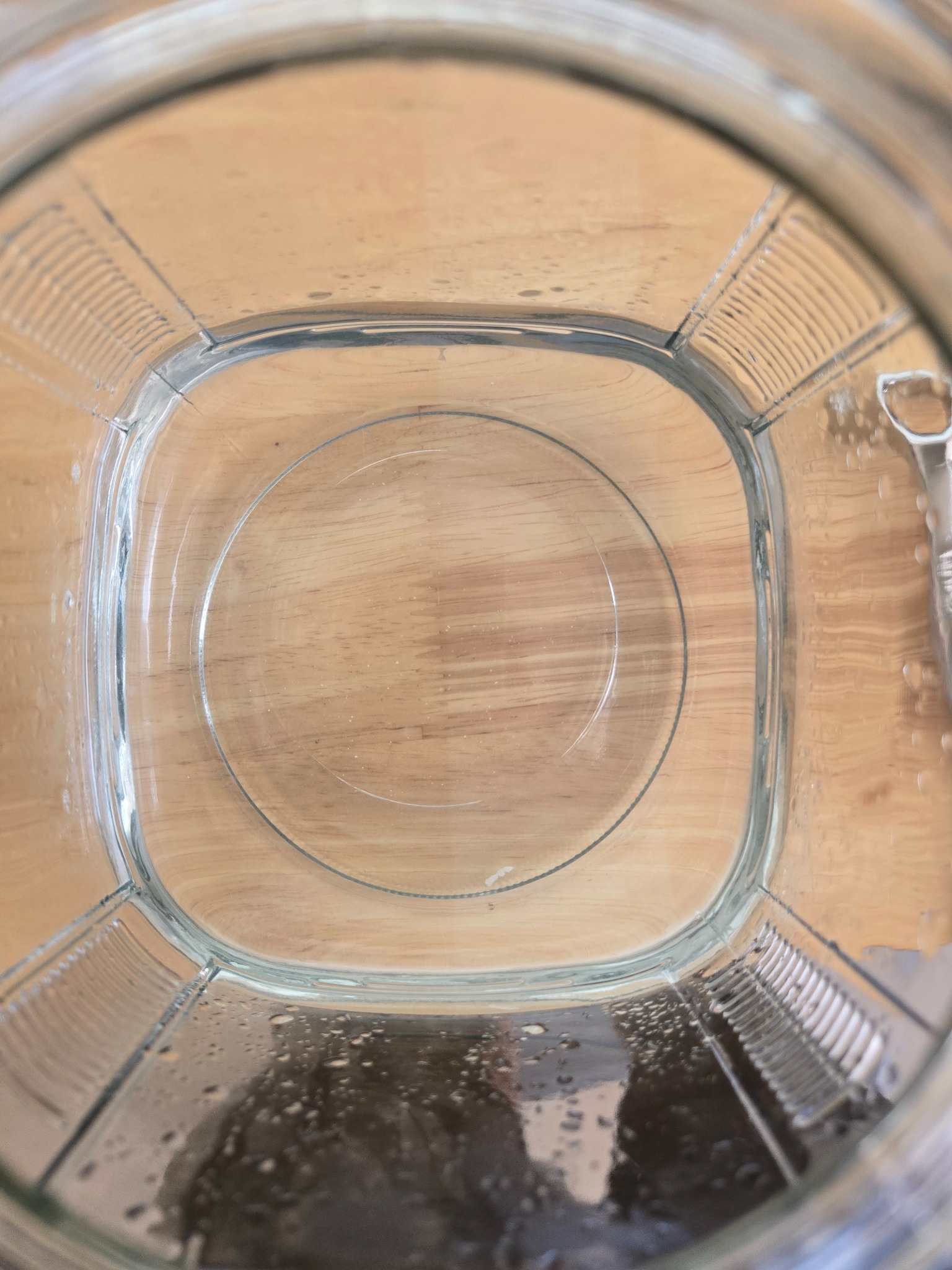
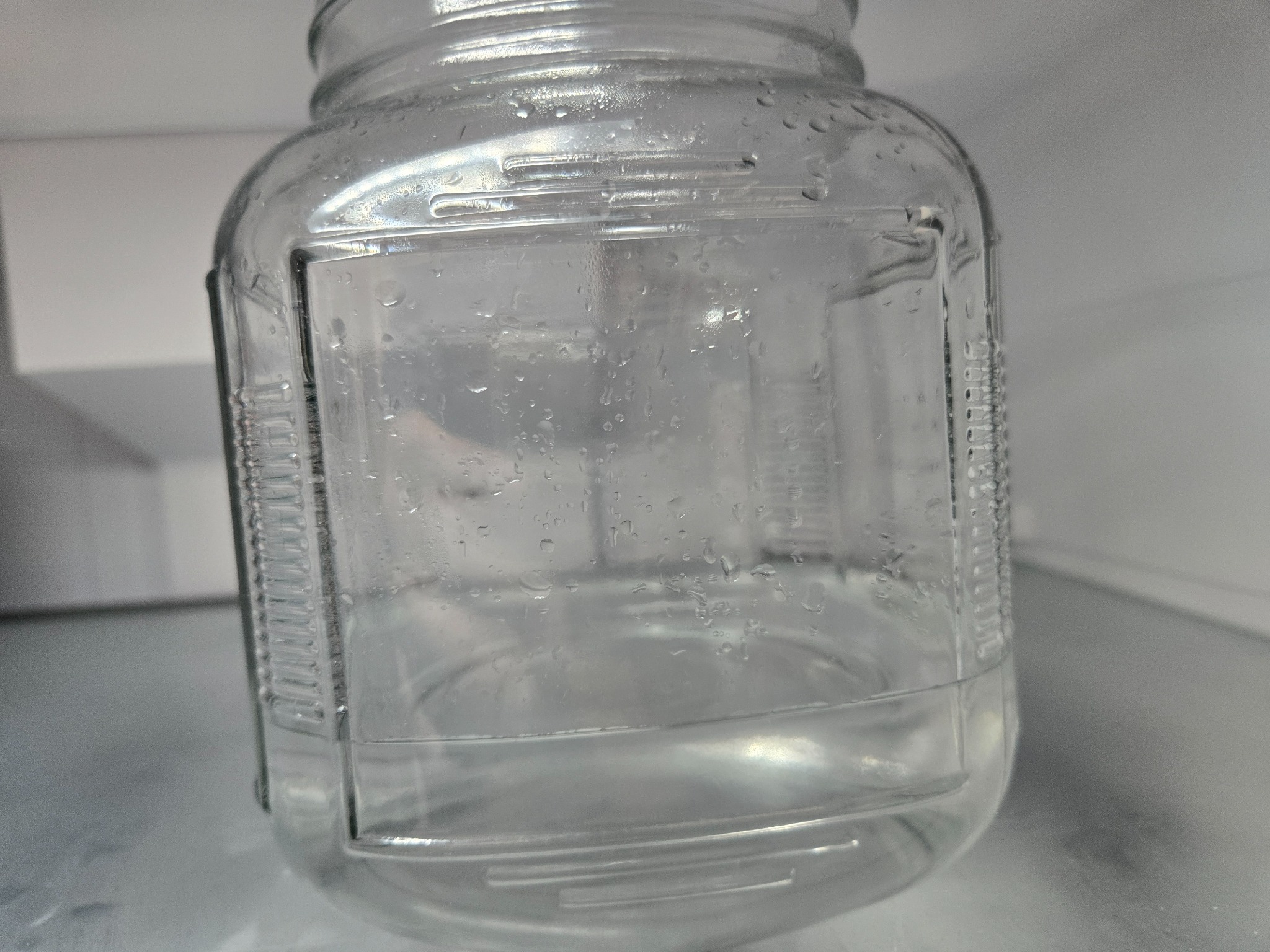
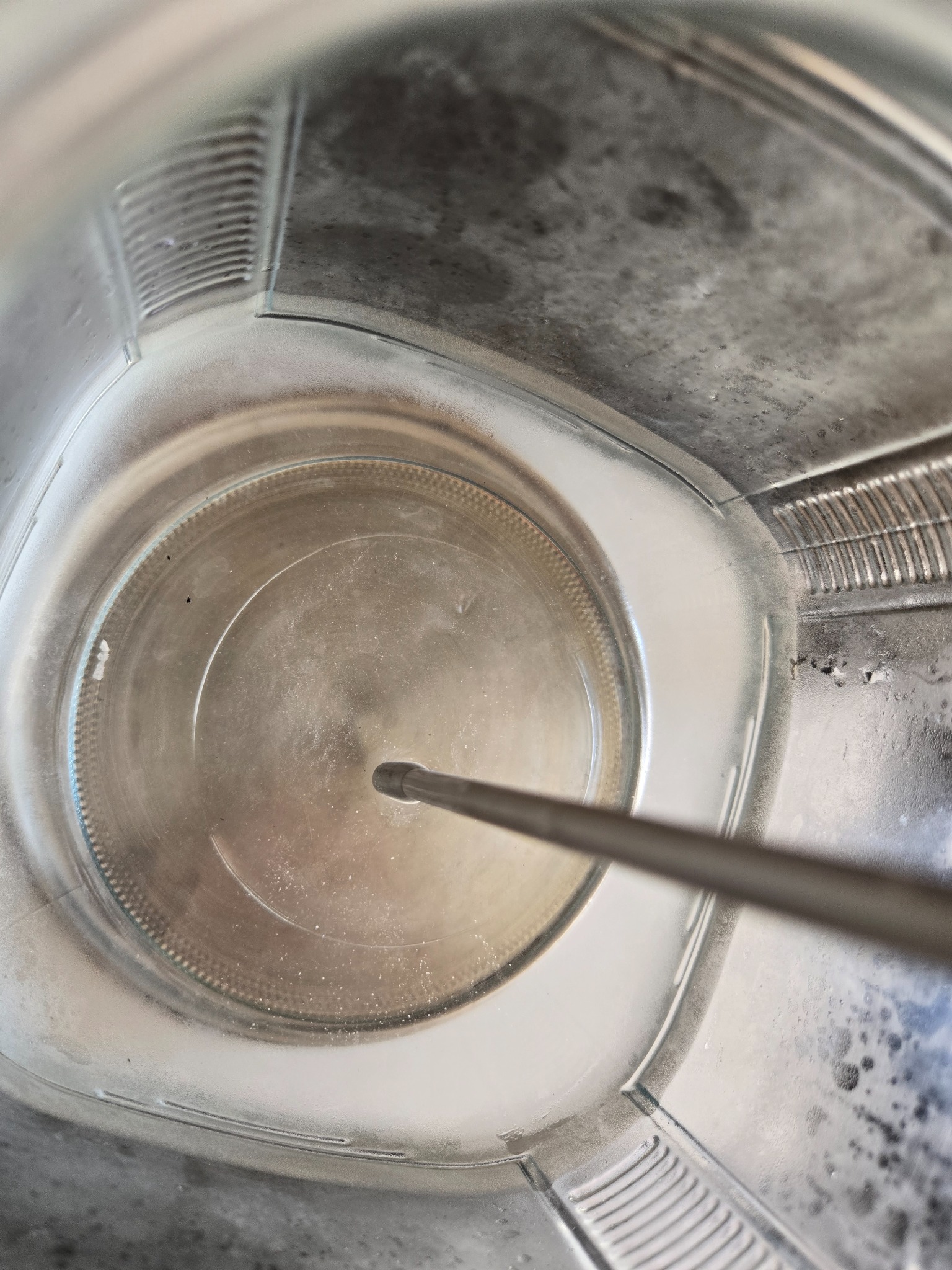
Clear strained liquid; no measurable dry residue. After the test, the strained liquid was refrigerated over 24 hours and no re-solidification was observed.
Time-lapse frequency: 1 frame every 10 seconds.
PolyLoc 120°F — Test Photos
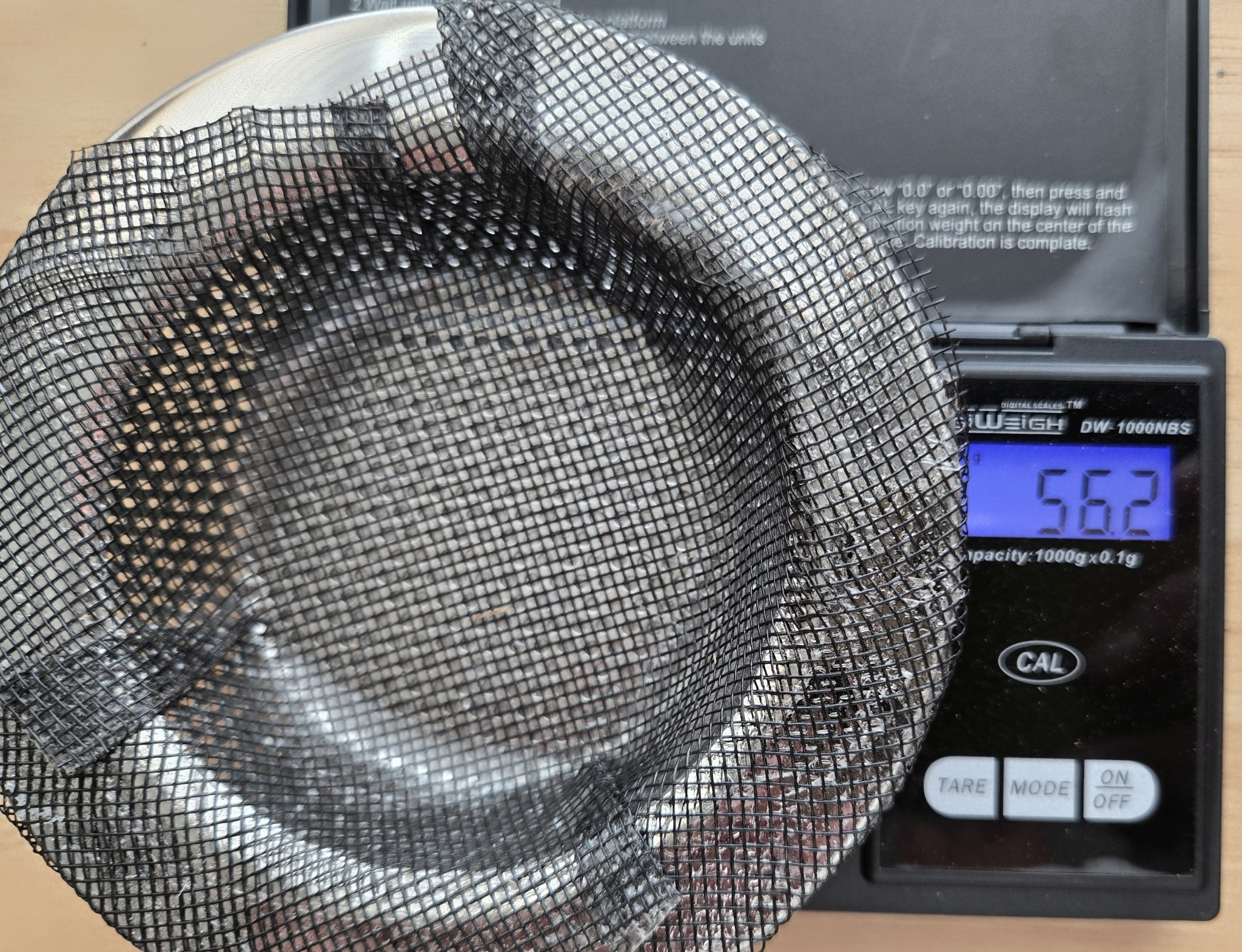
Test duration: 21 hr 26 min | Measurable dry material retained: 0.0 g. The test had no measurable dry residue retained on the strainer.
POLYLOC 140°F
140°F Dissolution Test
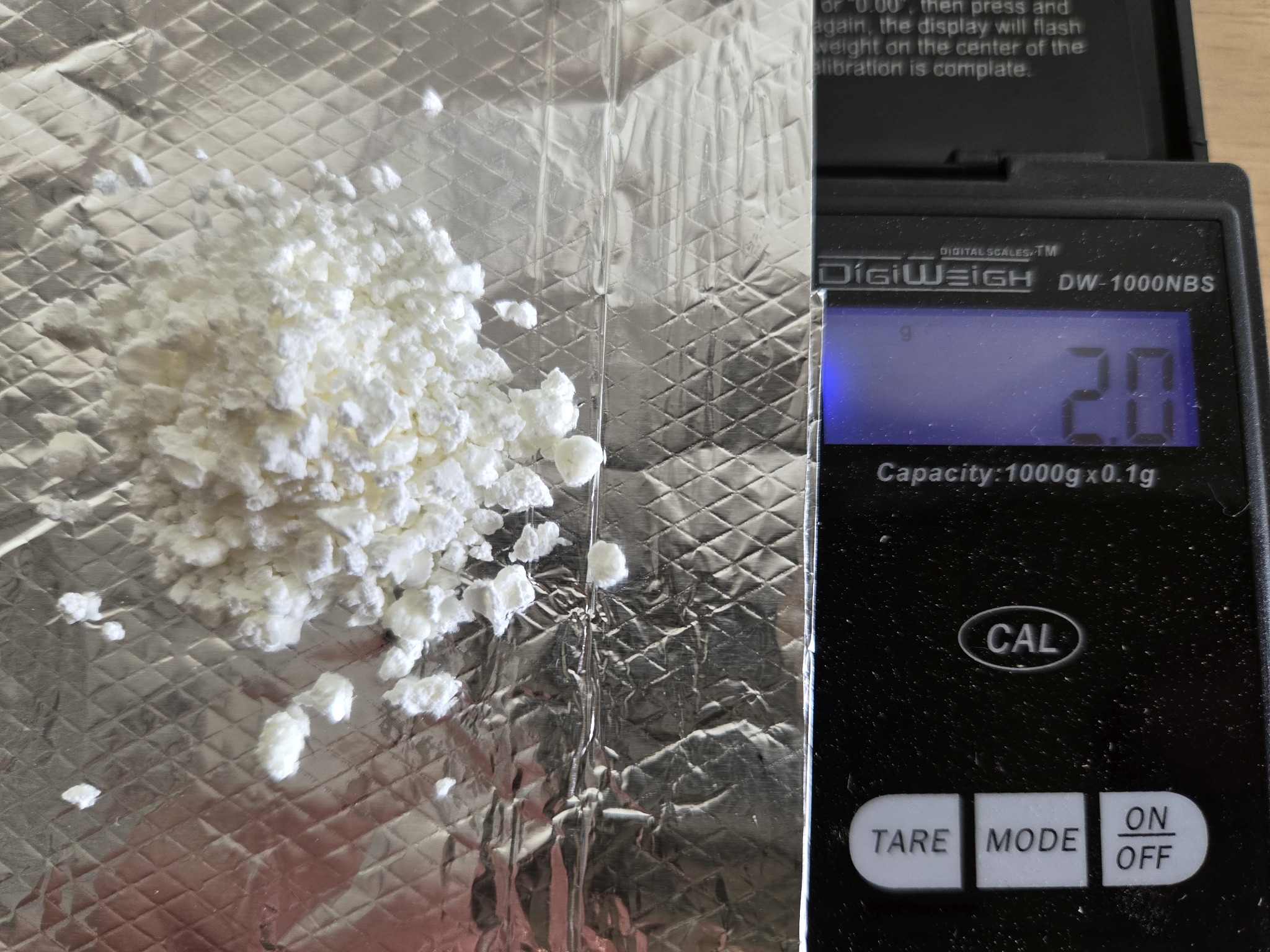
2.0 g start • 3 hr 59 min • 0.0 g measurable dry residue
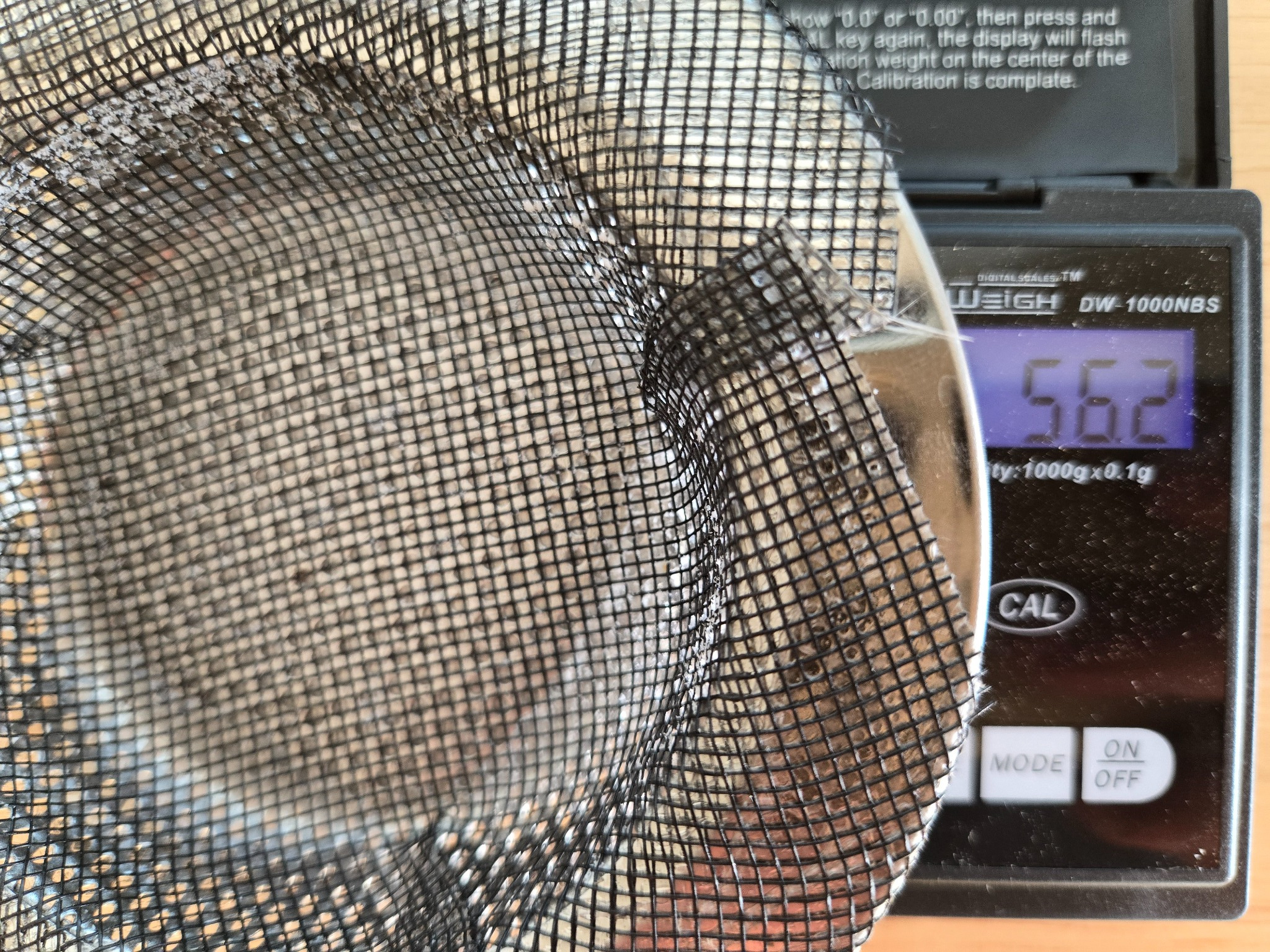
100% screen pass-through; no precipitation, agglomeration or re-solidification observed after refrigeration in the documented test record.
Time-lapse frequency: 1 frame every 10 seconds.
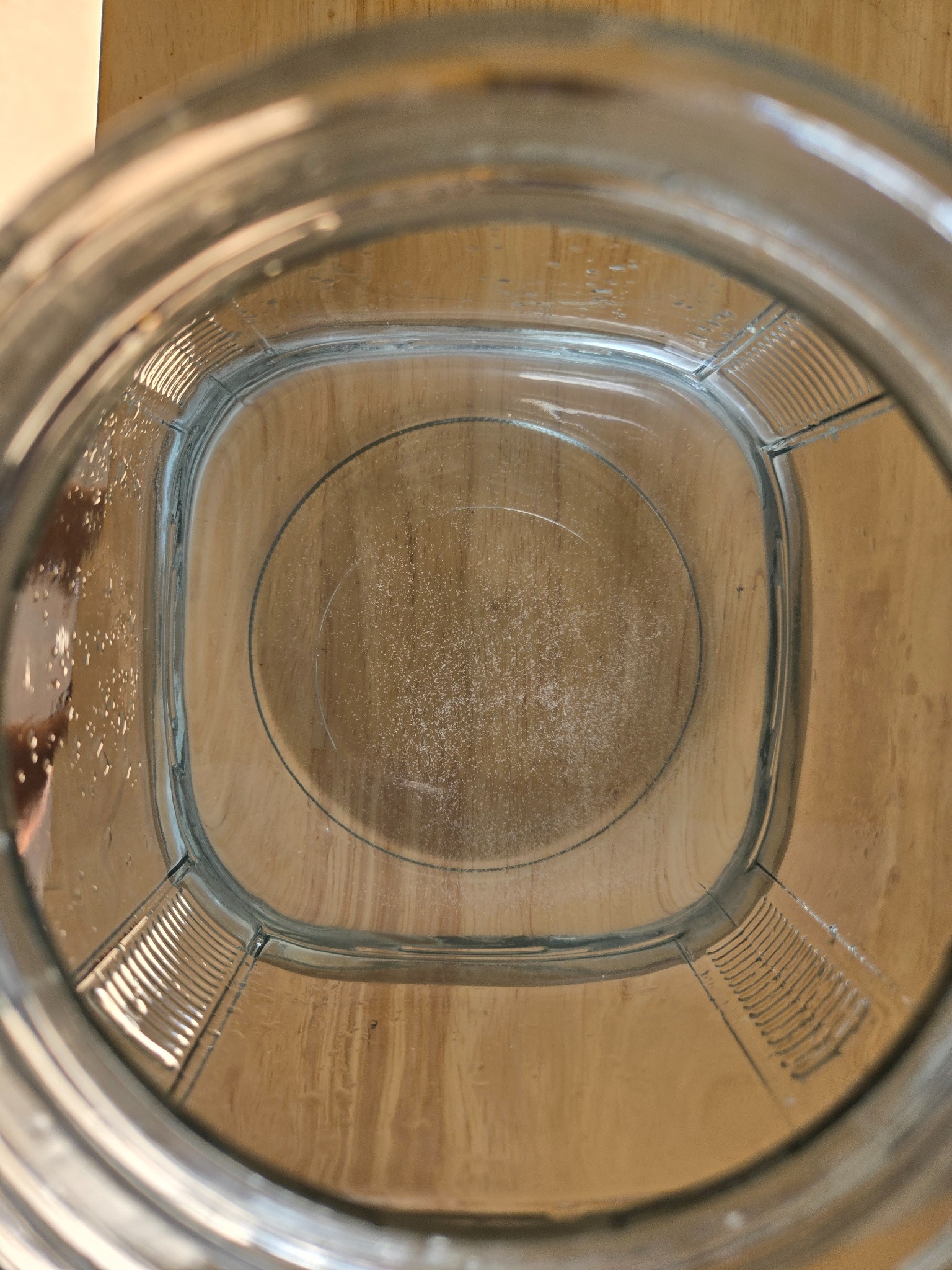
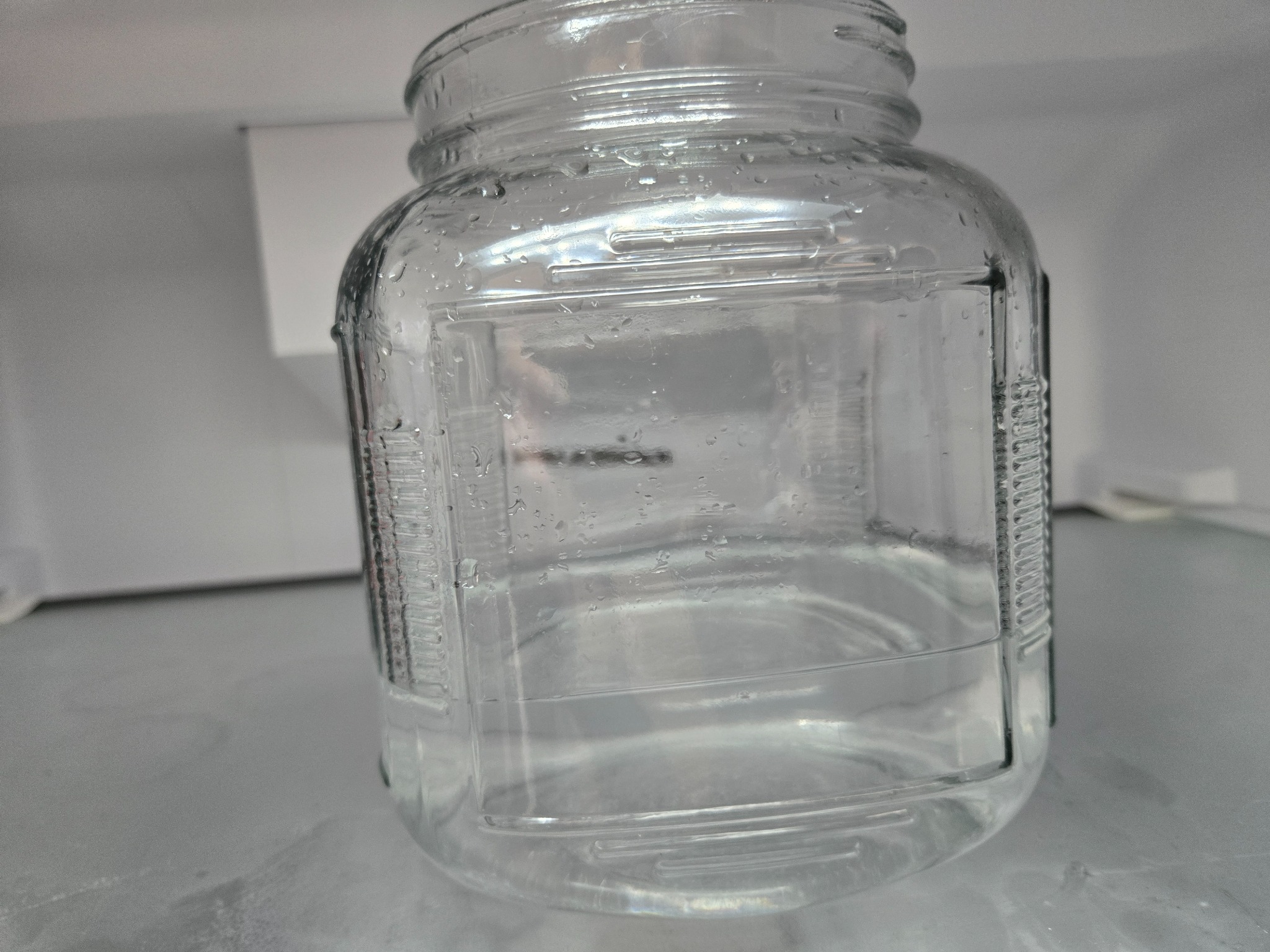
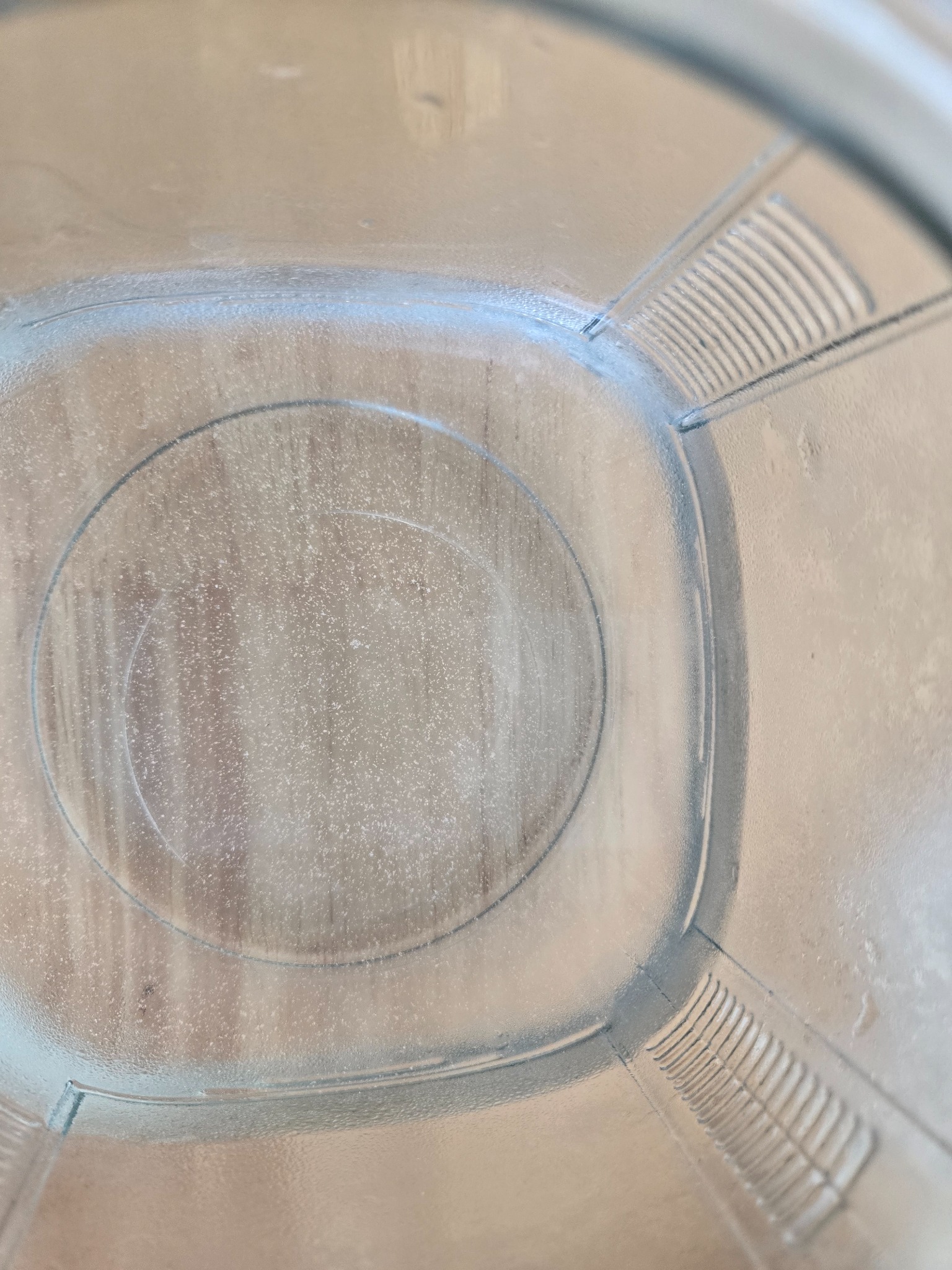
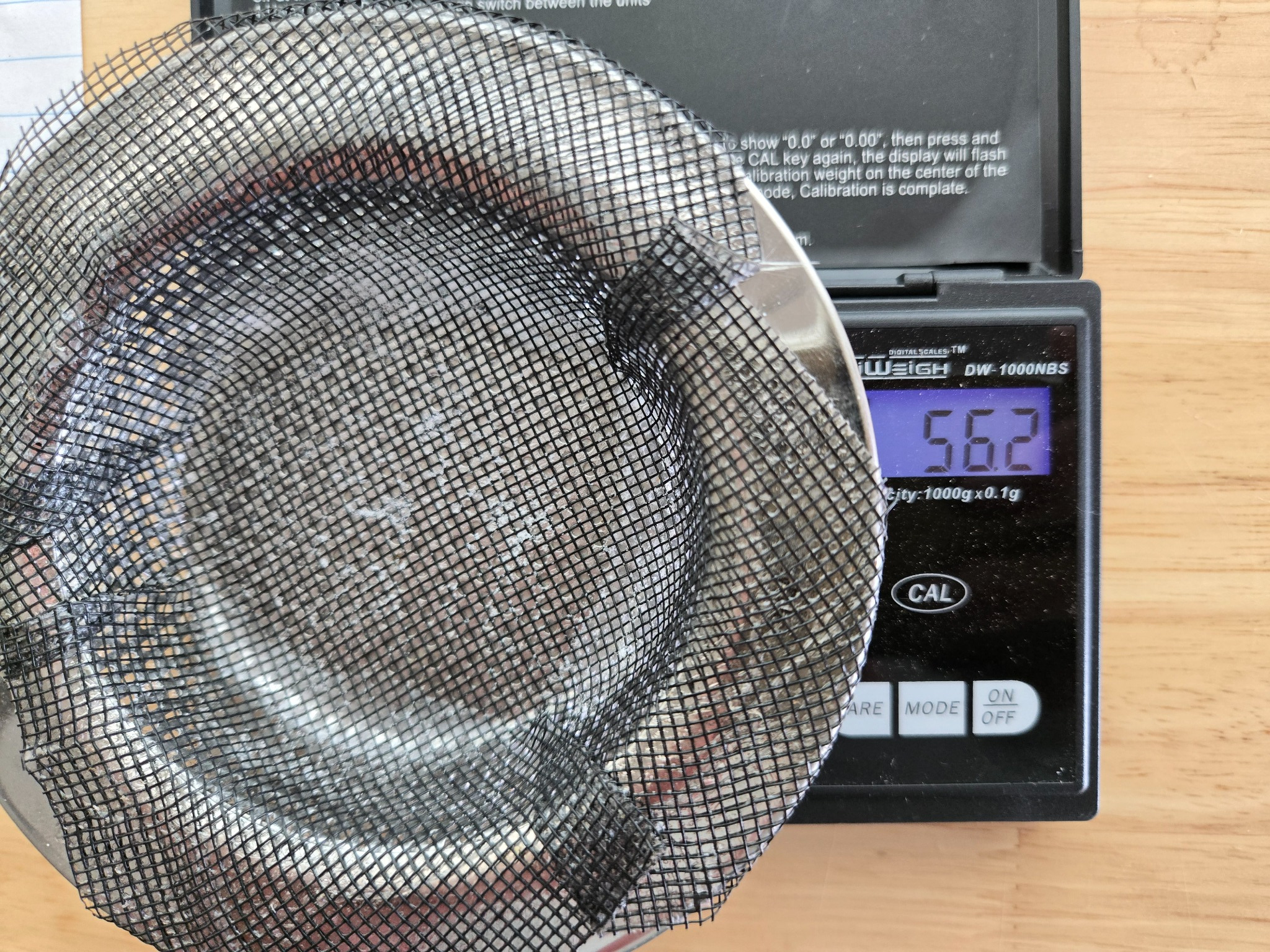
PolyLoc 140°F — Test Photos
Test duration: 3 hr 59 min | Measurable dry material retained: 0.0 g. The test had no measurable dry residue retained on the strainer.
POLYLOC 160°F
160°F Dissolution Test
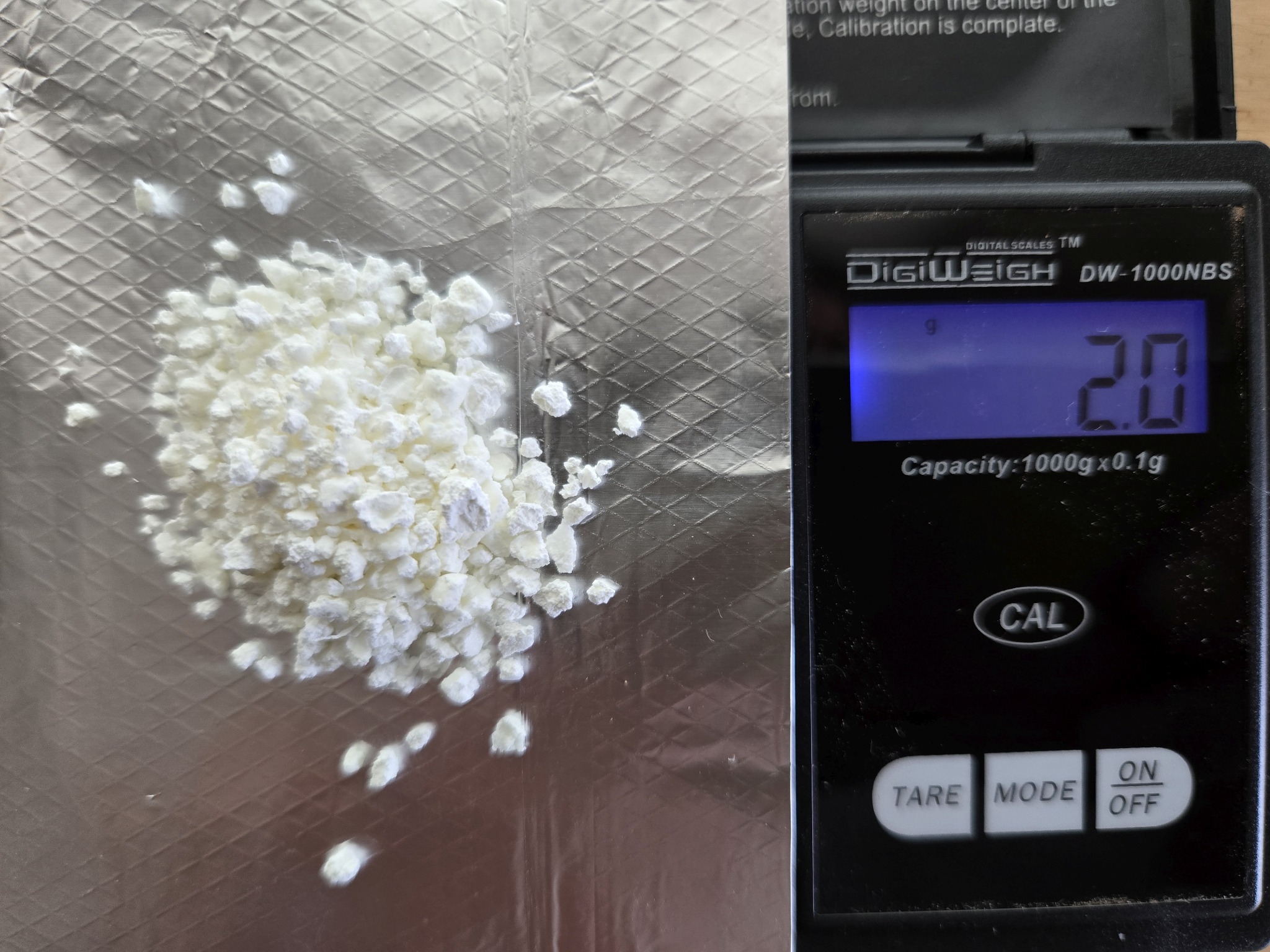
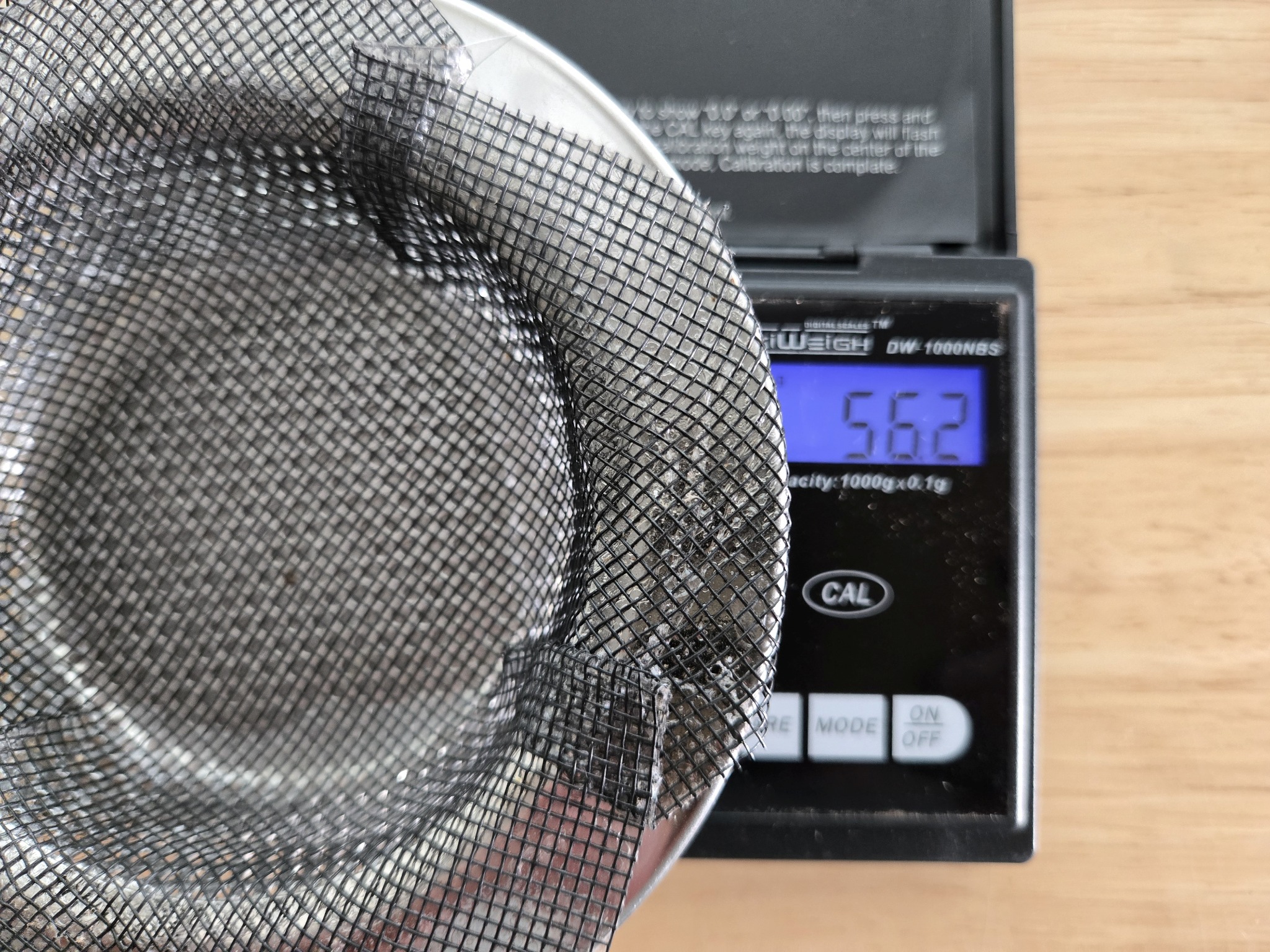
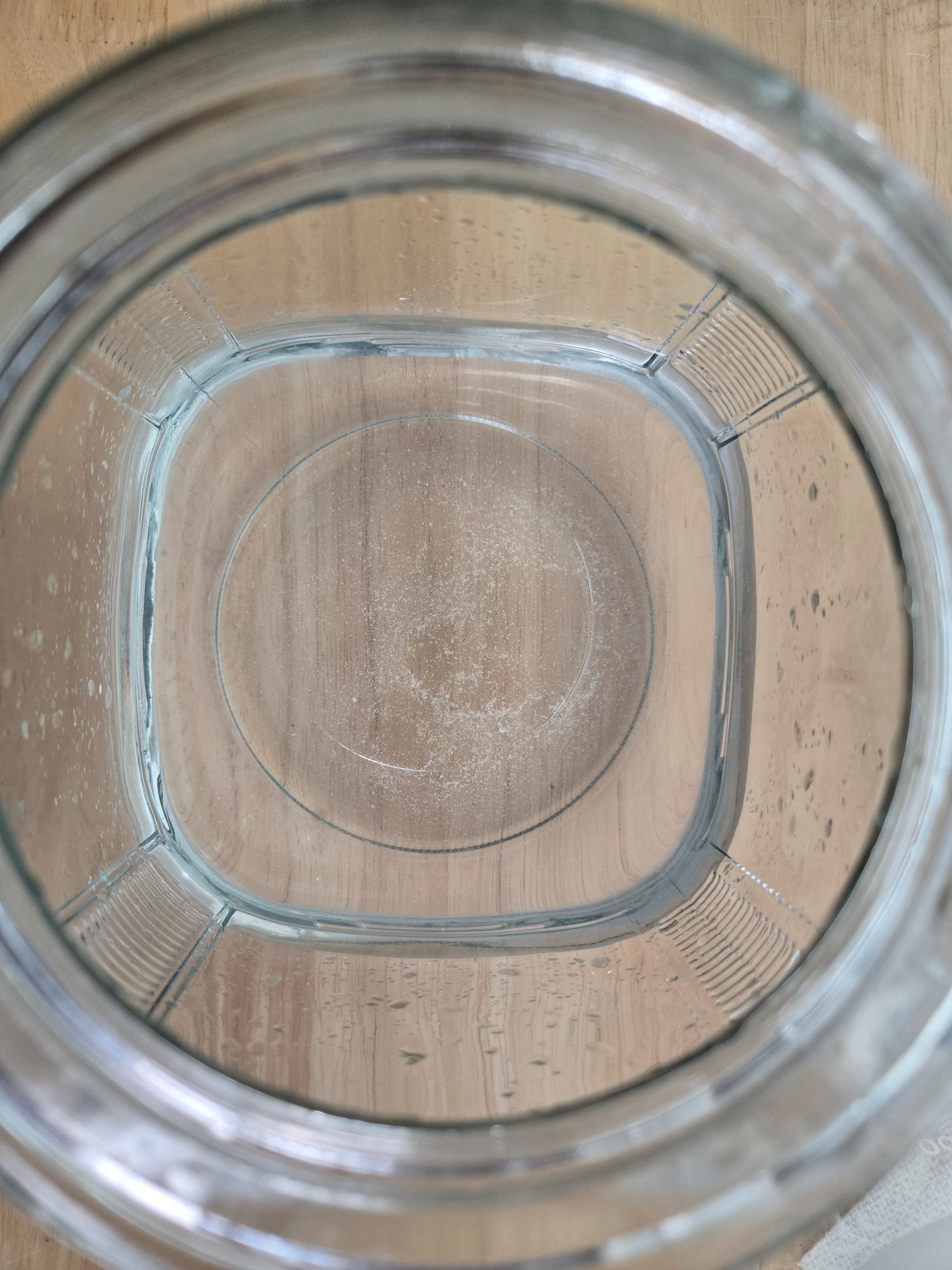
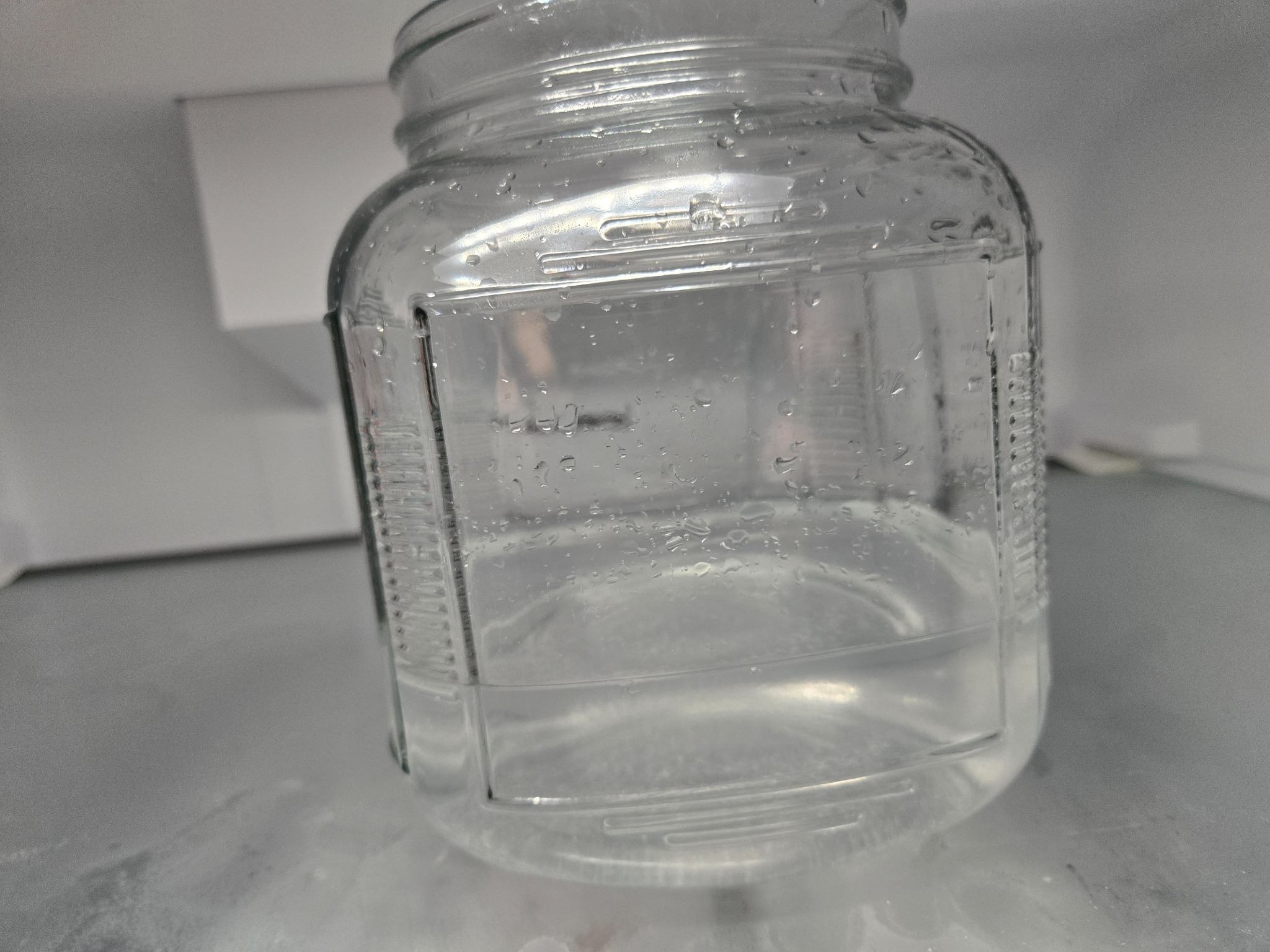
2.0 g start • 2 hr 59 min • 0.0 g measurable dry residue
100% screen pass-through under the recorded criterion; fine pass-through material was visible after refrigeration with no measurable dry residue retained on the screen.
Time-lapse frequency: 1 frame every 10 seconds.
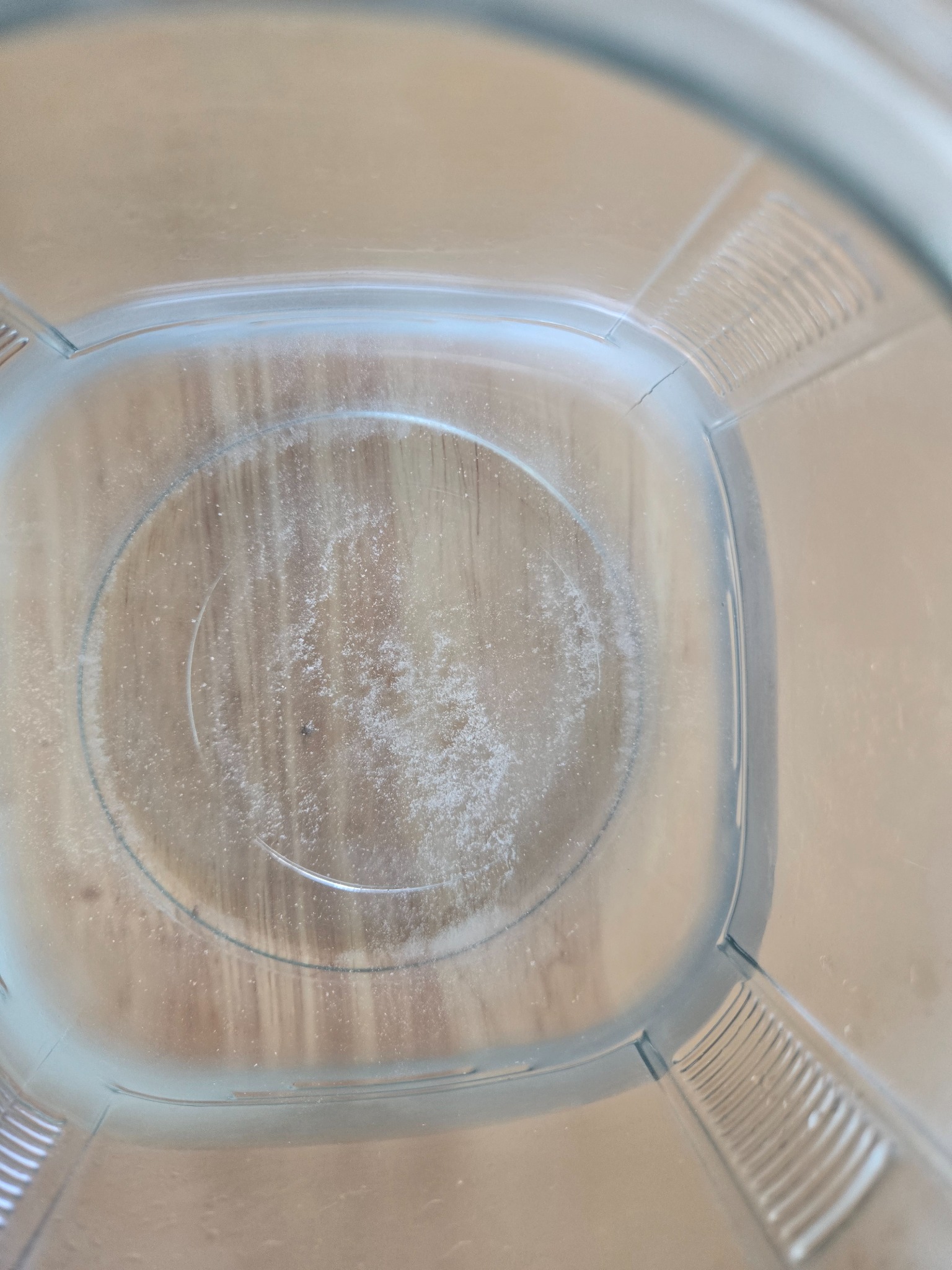
PolyLoc 160°F — Test Photos
Test duration: 2 hr 59 min | Measurable dry material retained: 0.0 g. The test had no measurable dry residue retained on the strainer.
POLYLOC 200°F
200°F Dissolution Test
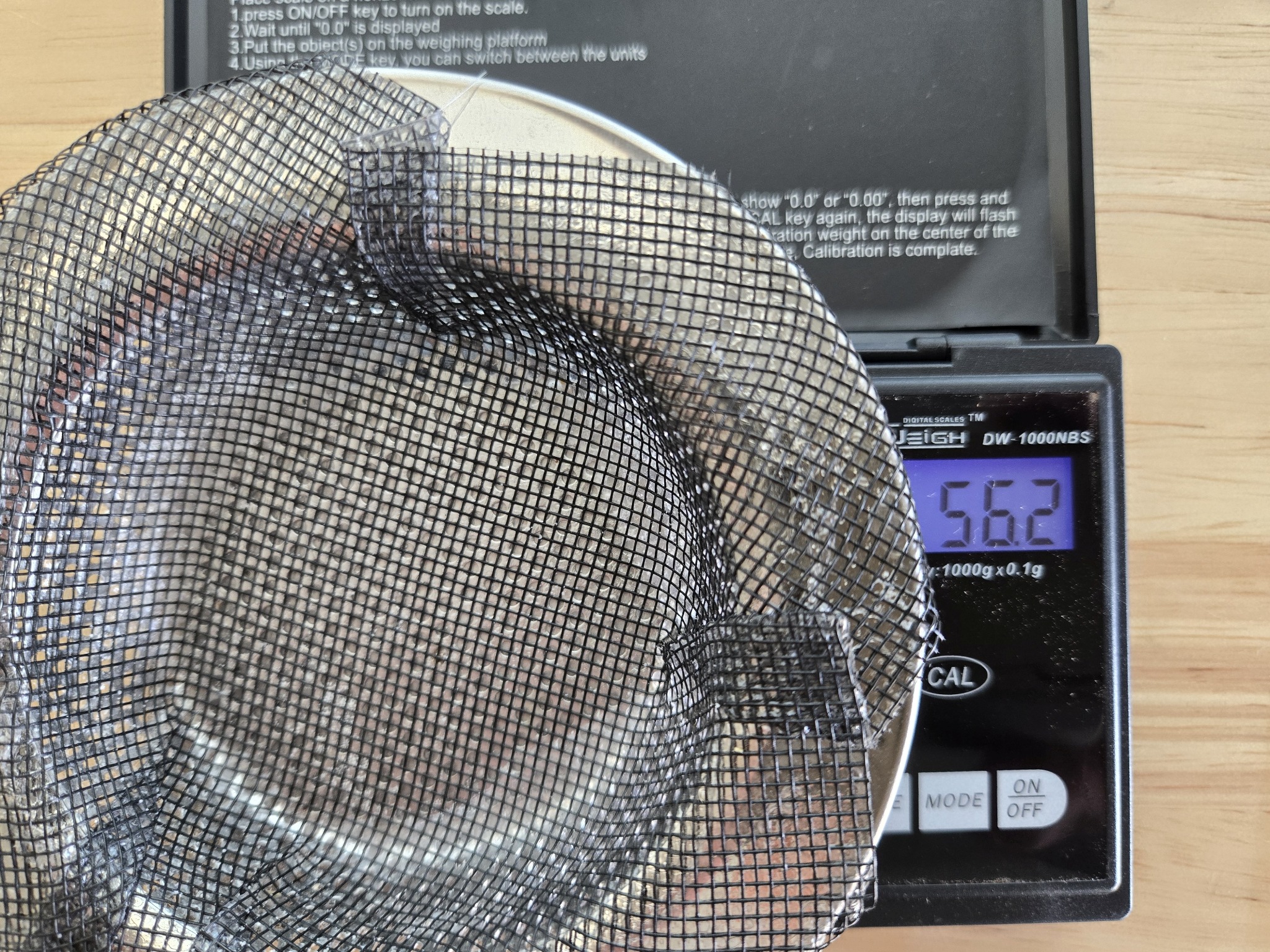
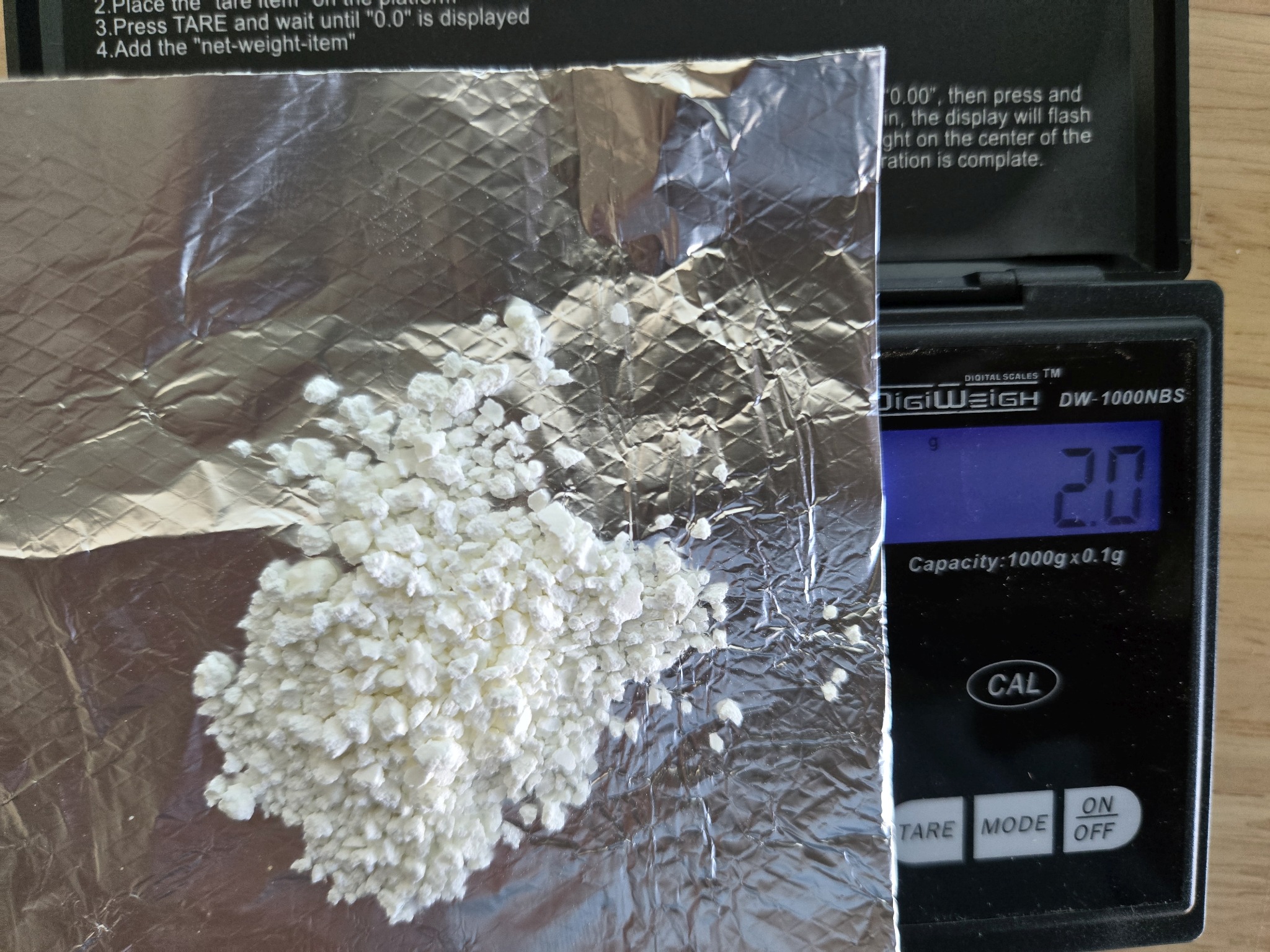
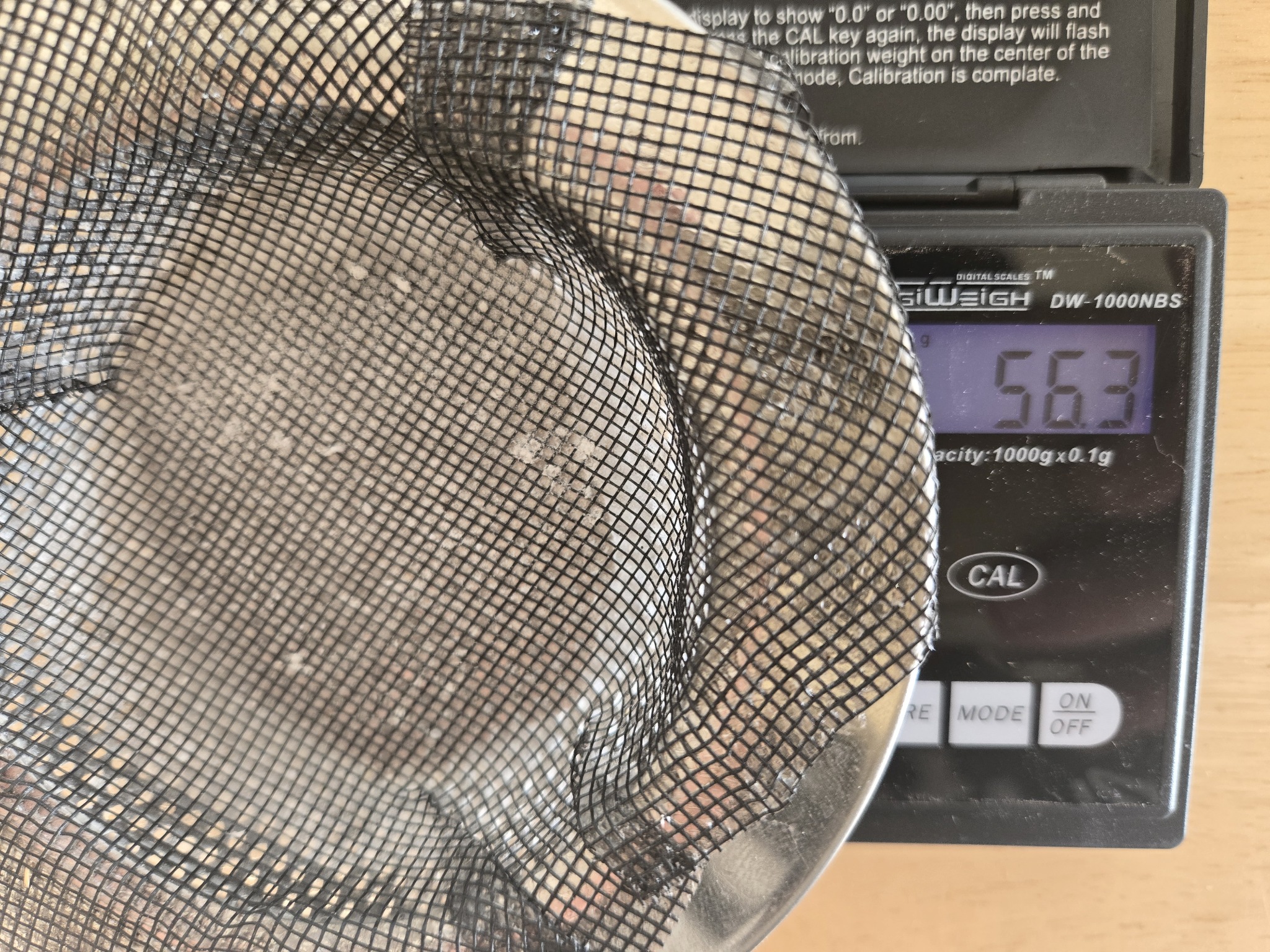
2.0 g start • 4 hr 16 min • 0.0 g measurable dry residue
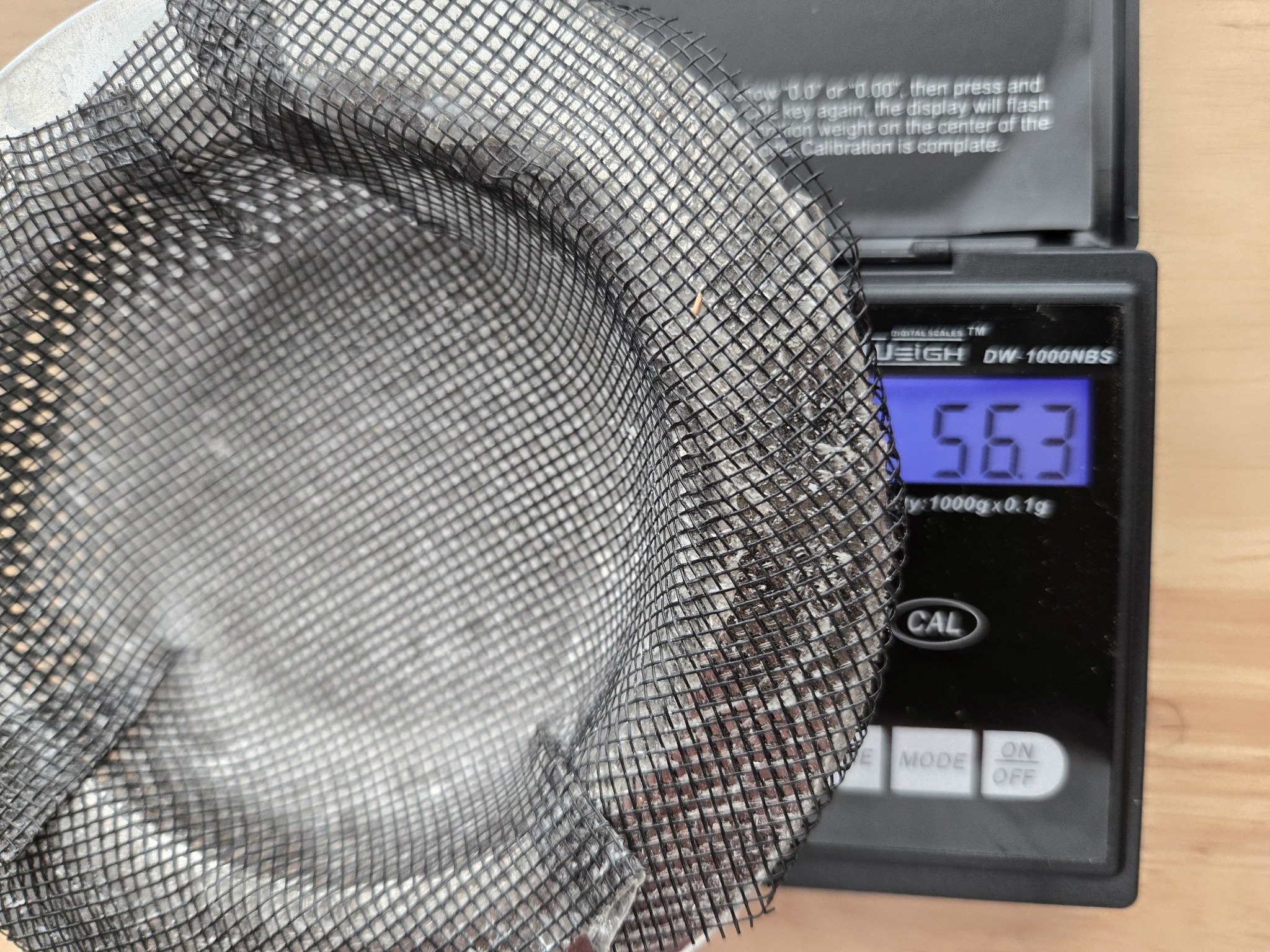
The initial dry strainer weighed 56.3 g and the final dry strainer weighed 56.3 g. No measurable dry residue was retained. After refrigeration, no visible re-solidification was observed in the documented sample.
Time-lapse frequency: approximately 1 frame every 9 seconds.
PolyLoc 200°F — Test Photos
Test duration: 4 hr 16 min | Measurable dry material retained: 0.0 g. The test had no measurable dry residue retained on the strainer.
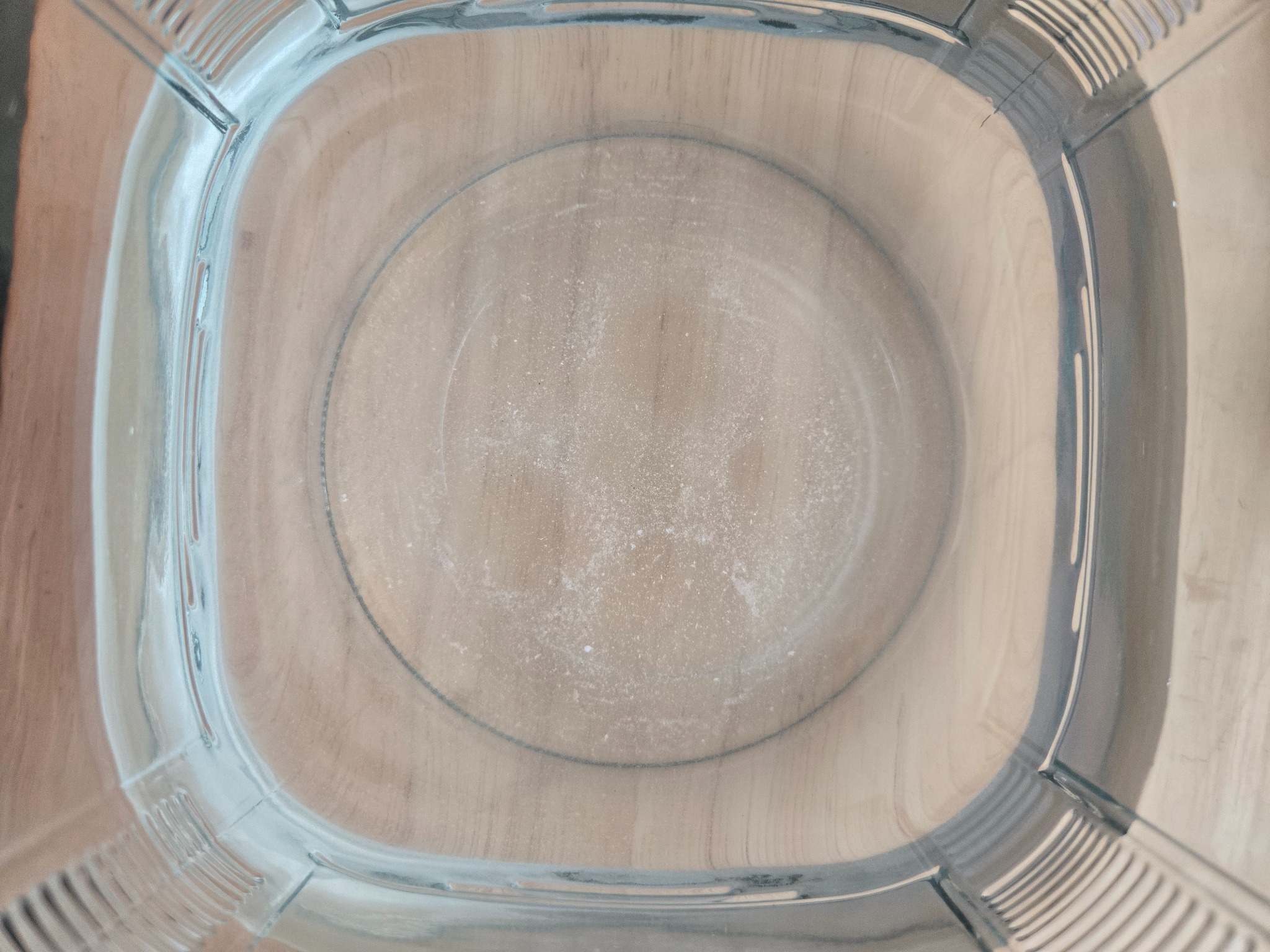
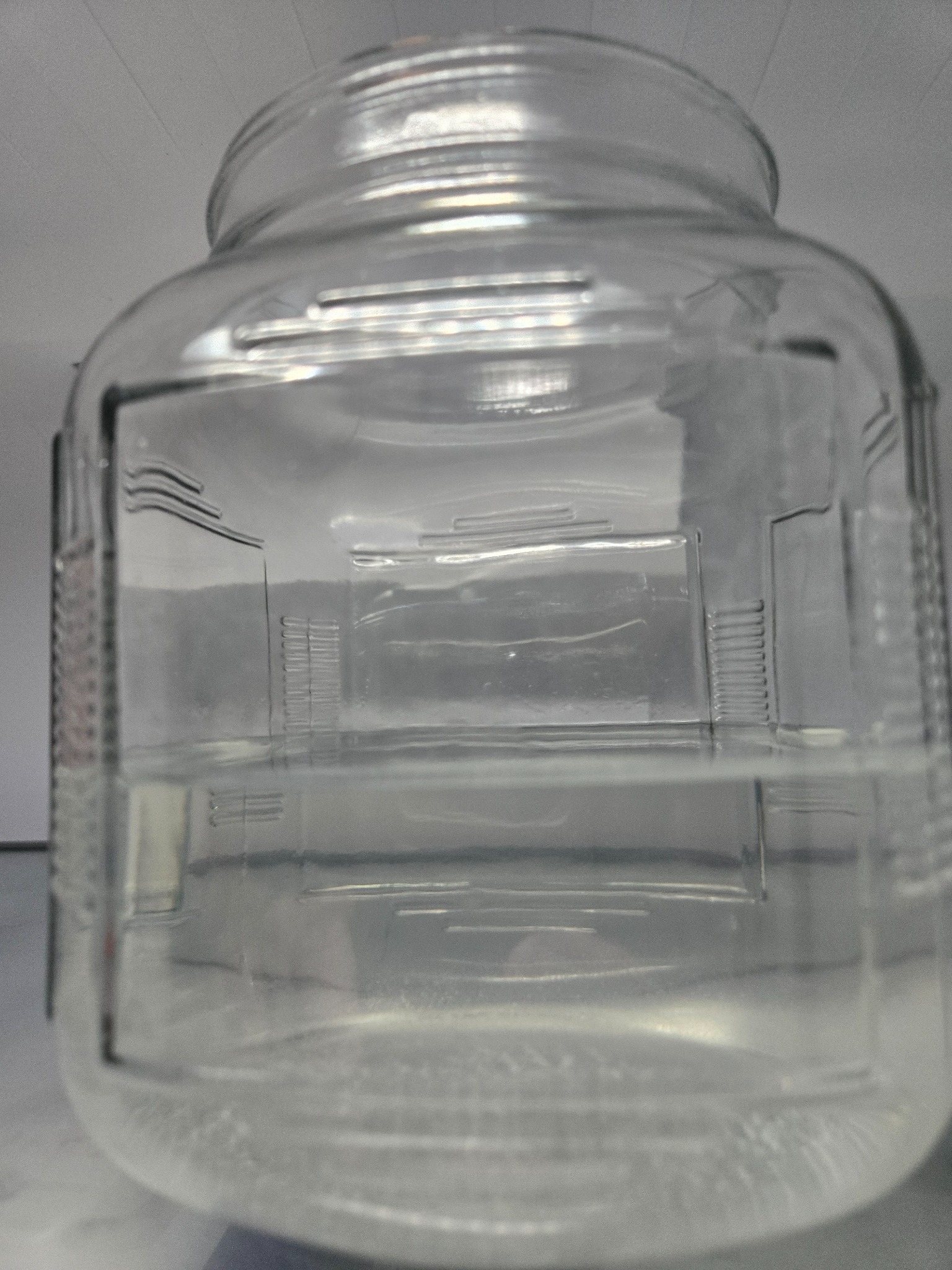
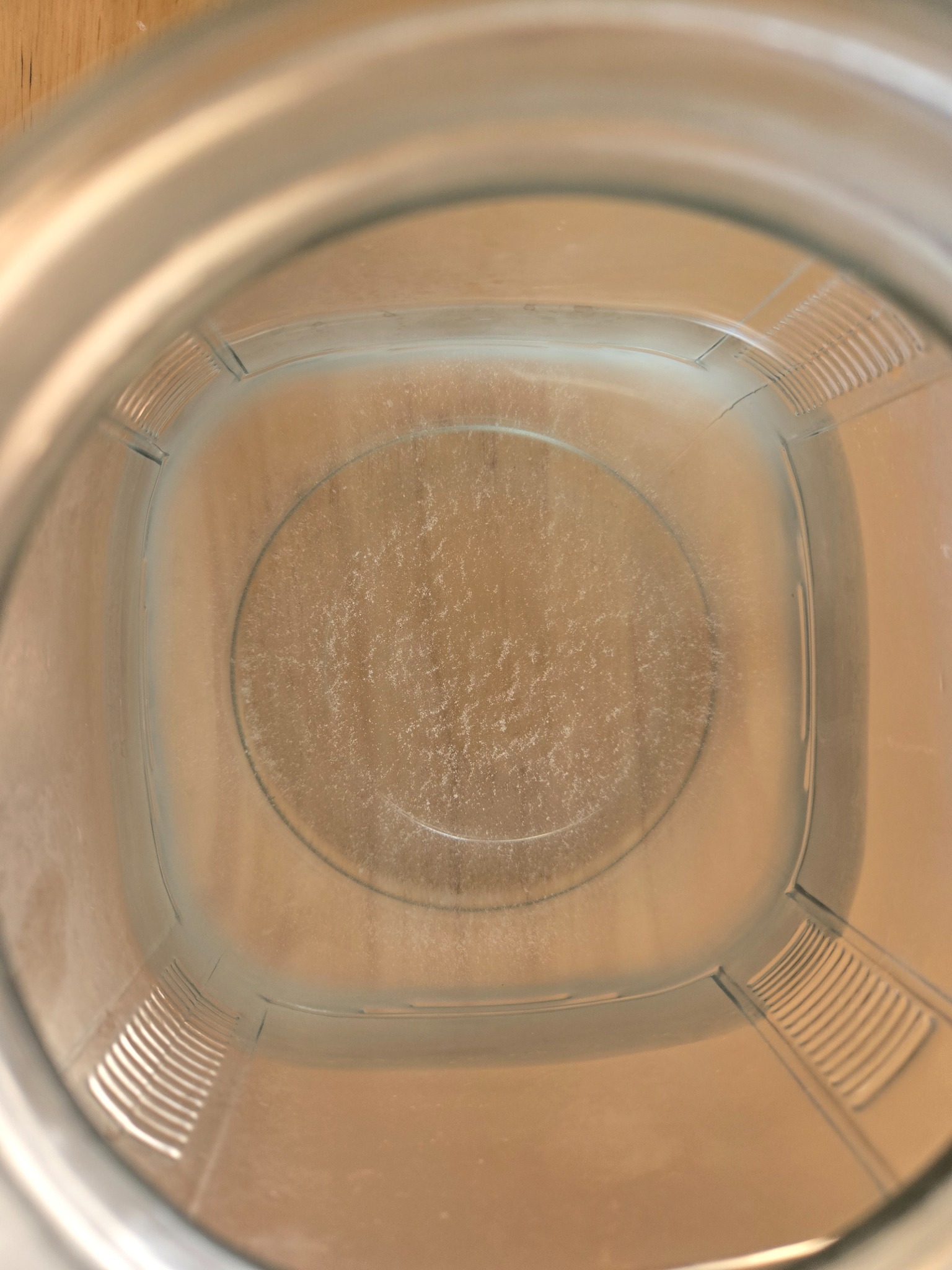
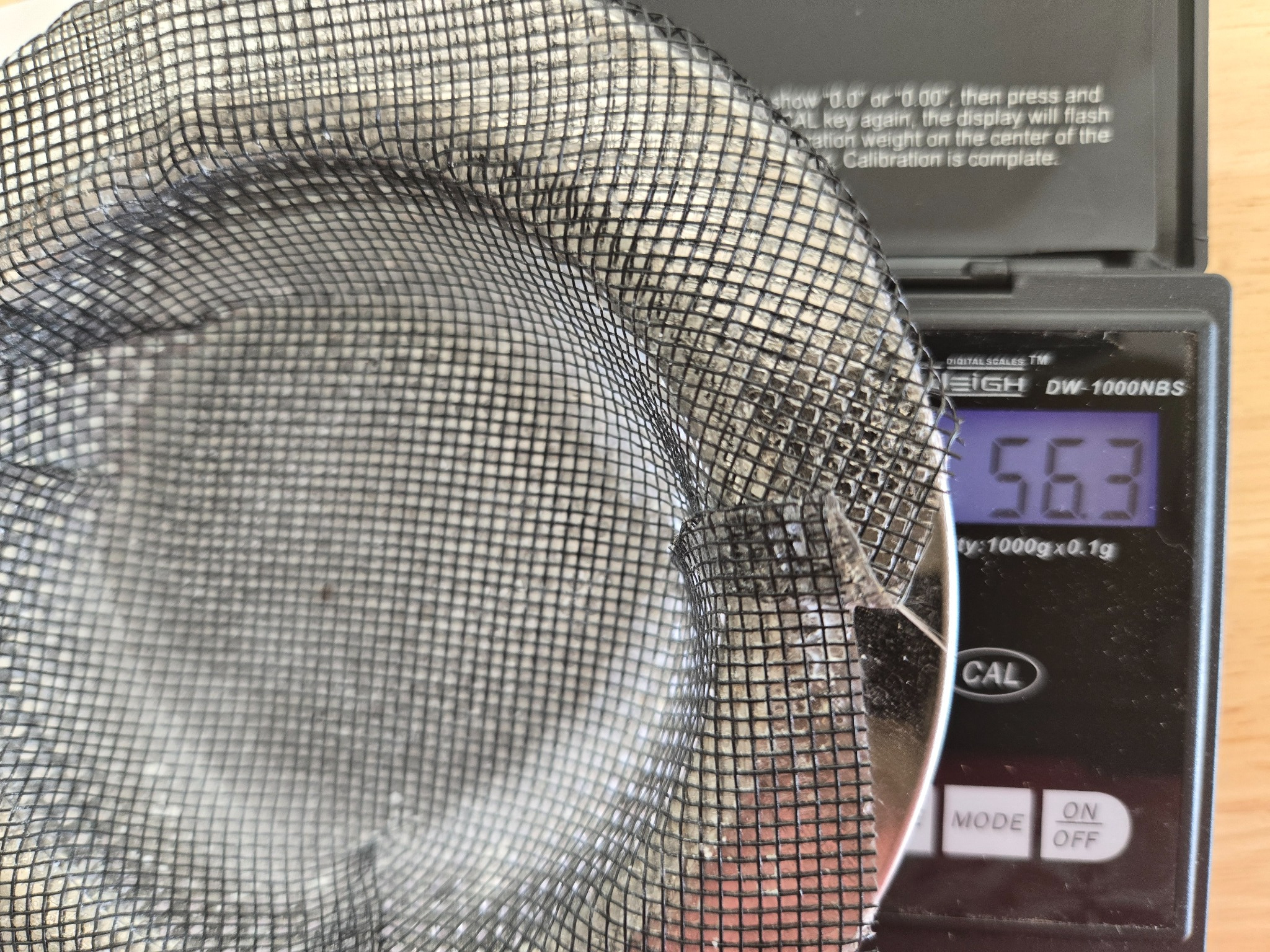
LEADING COMPETITIVE PRODUCT 140°F
140°F Comparison Test
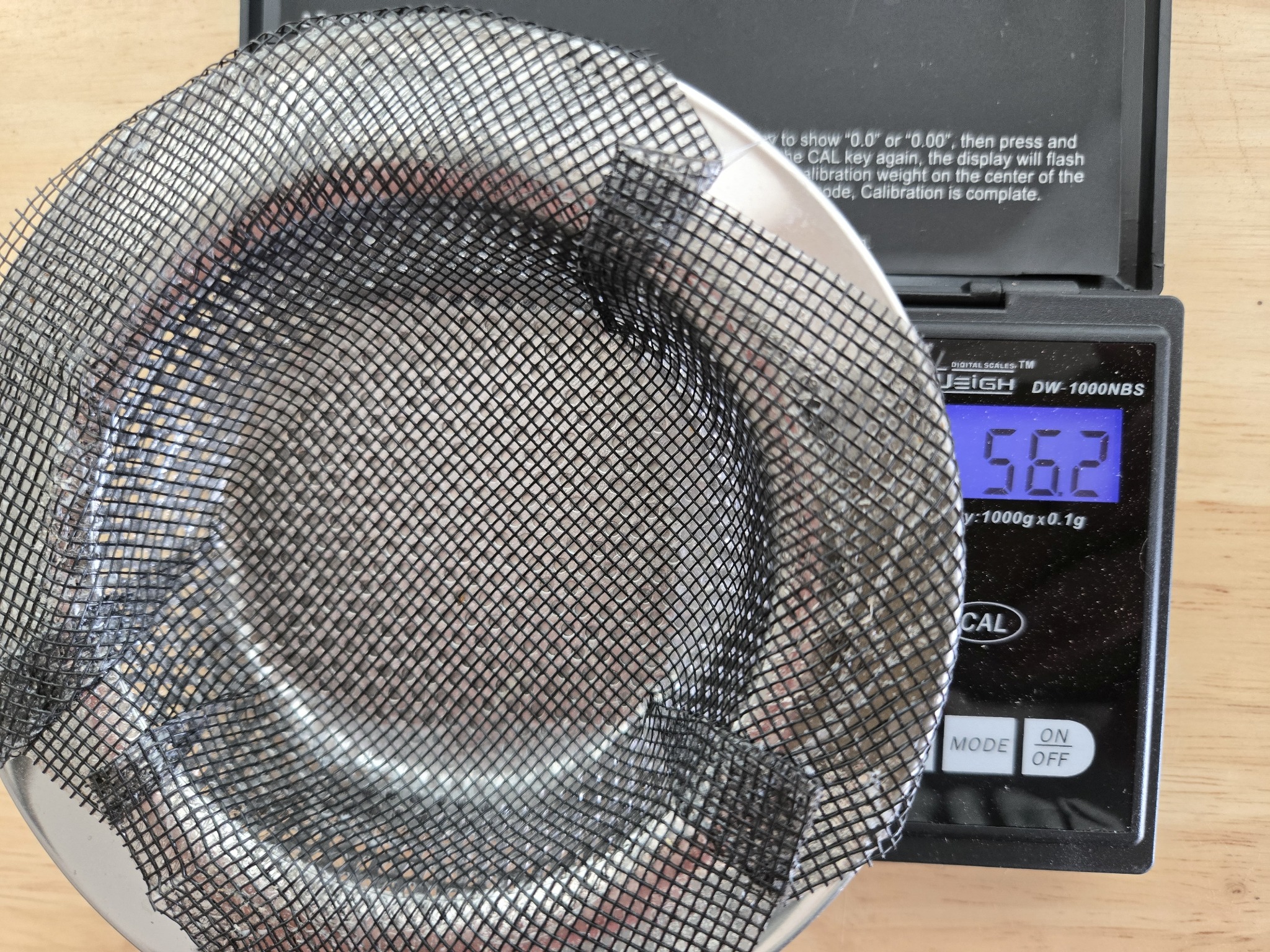
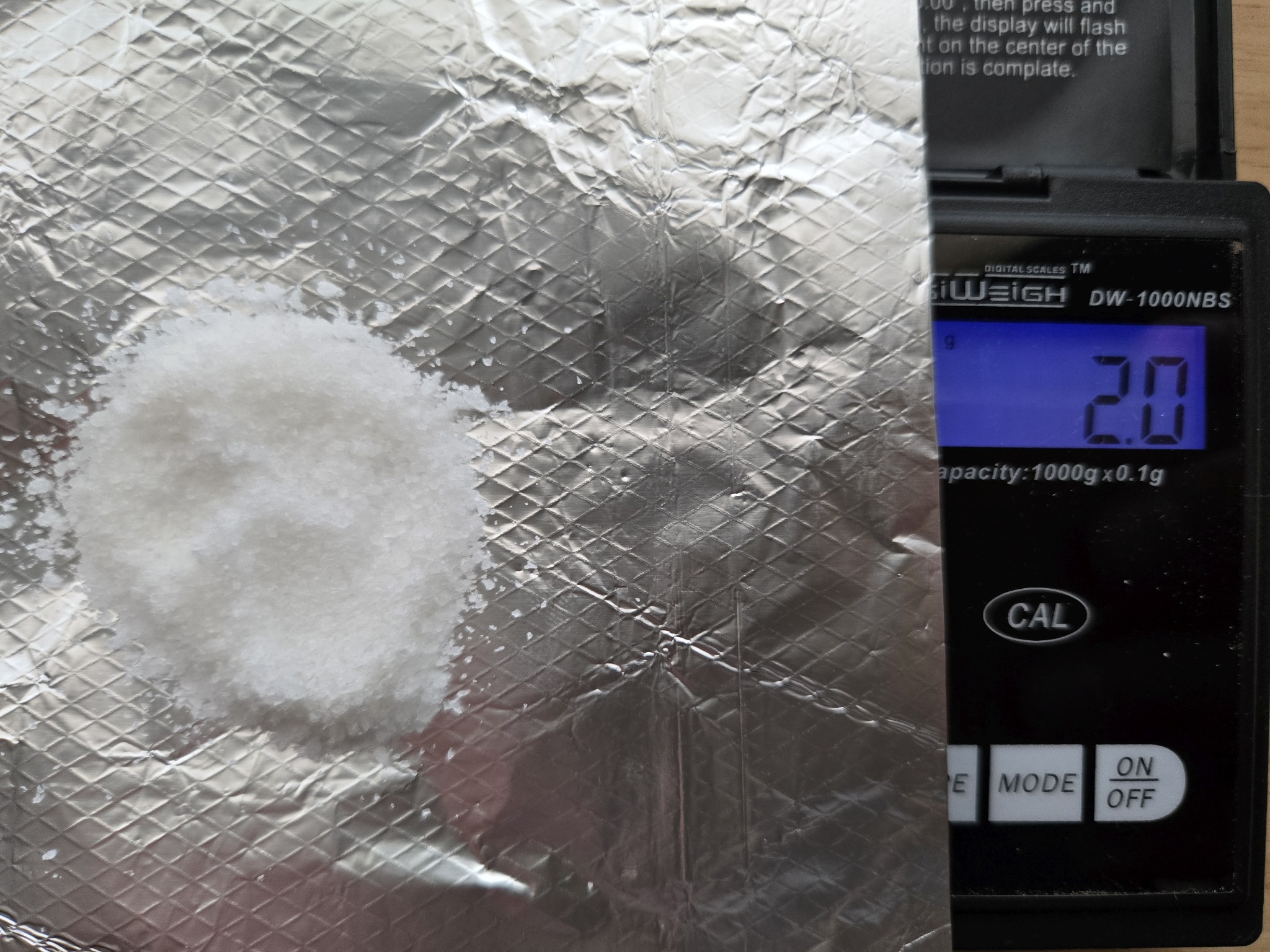
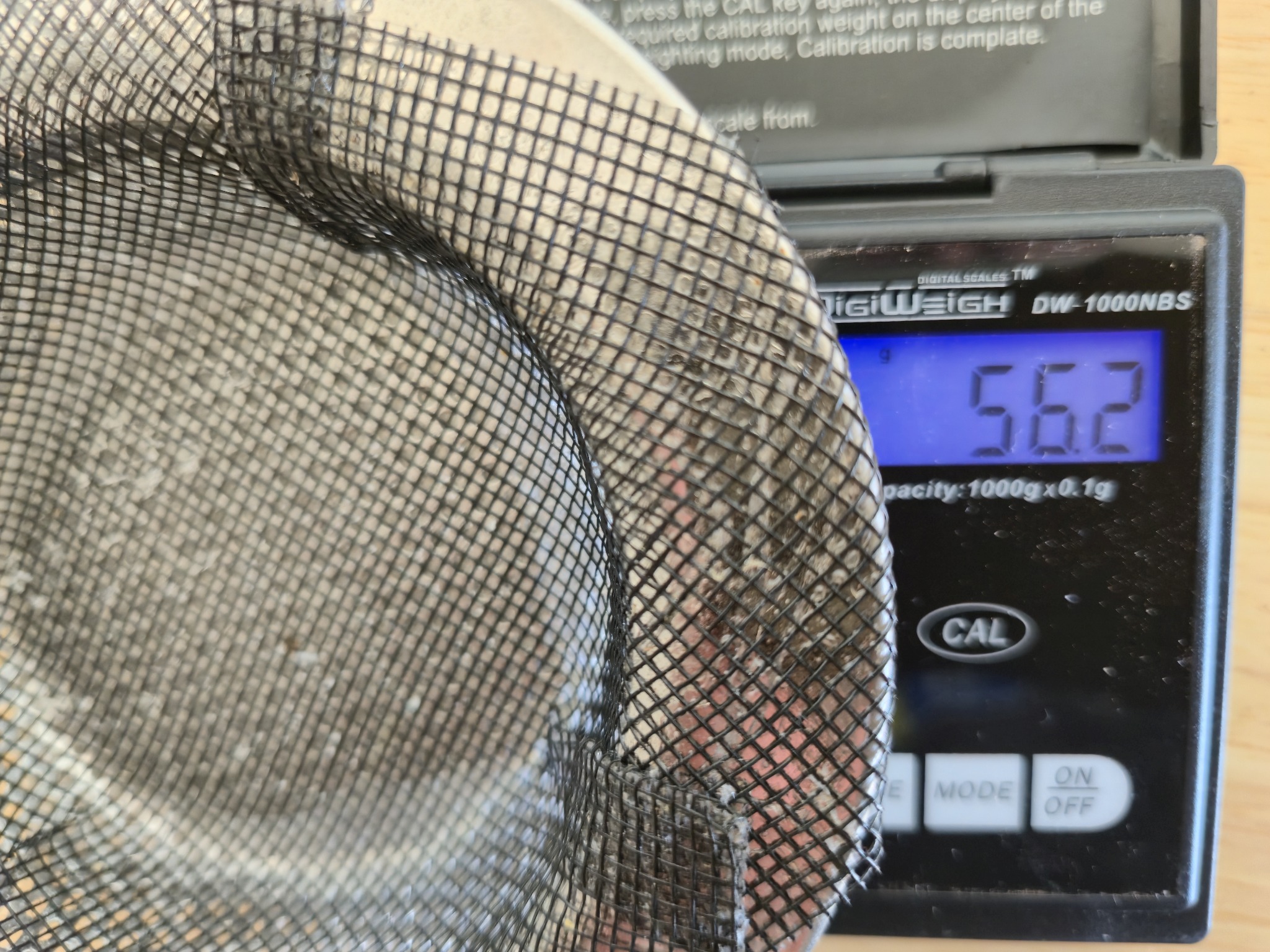
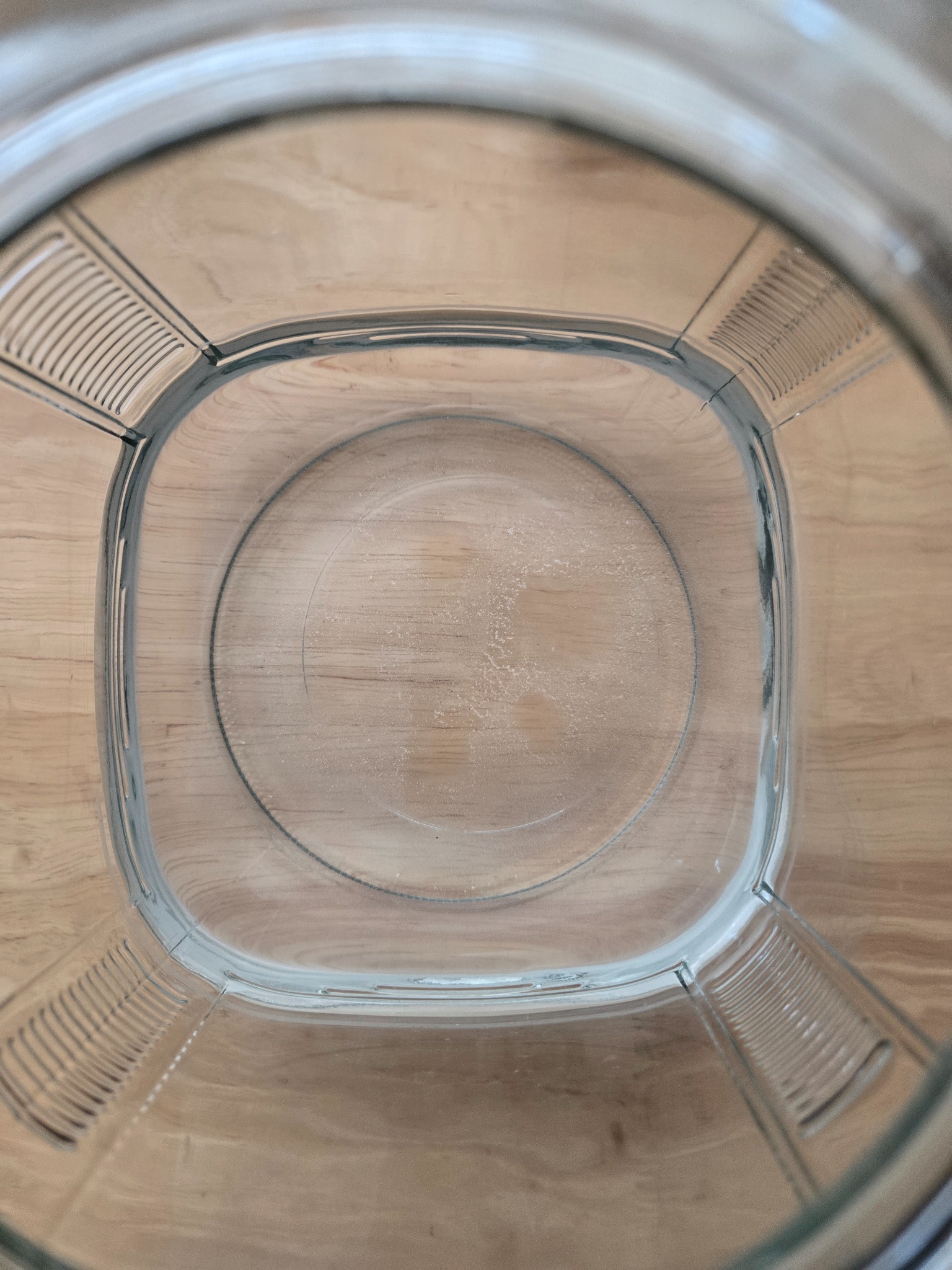
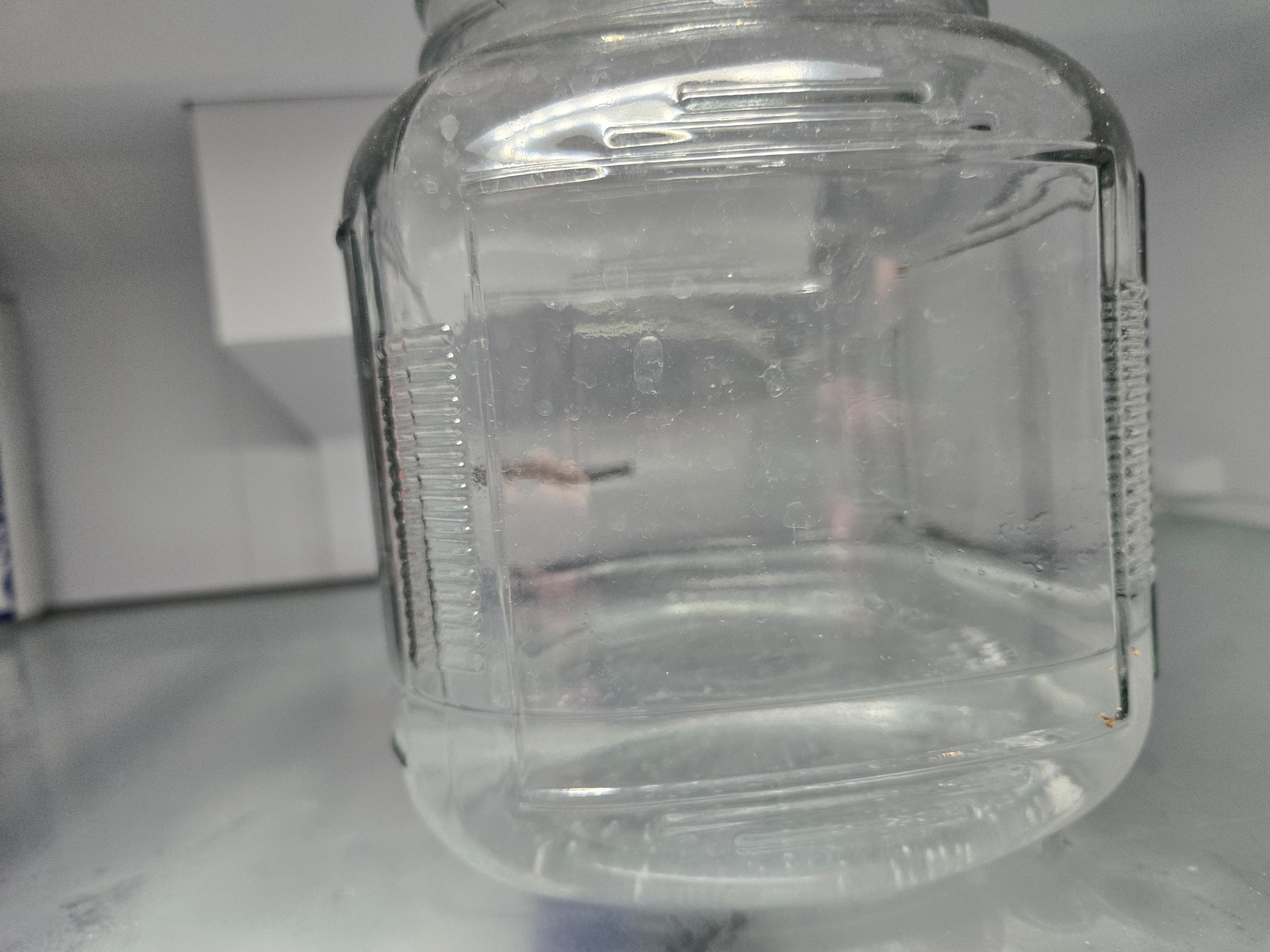
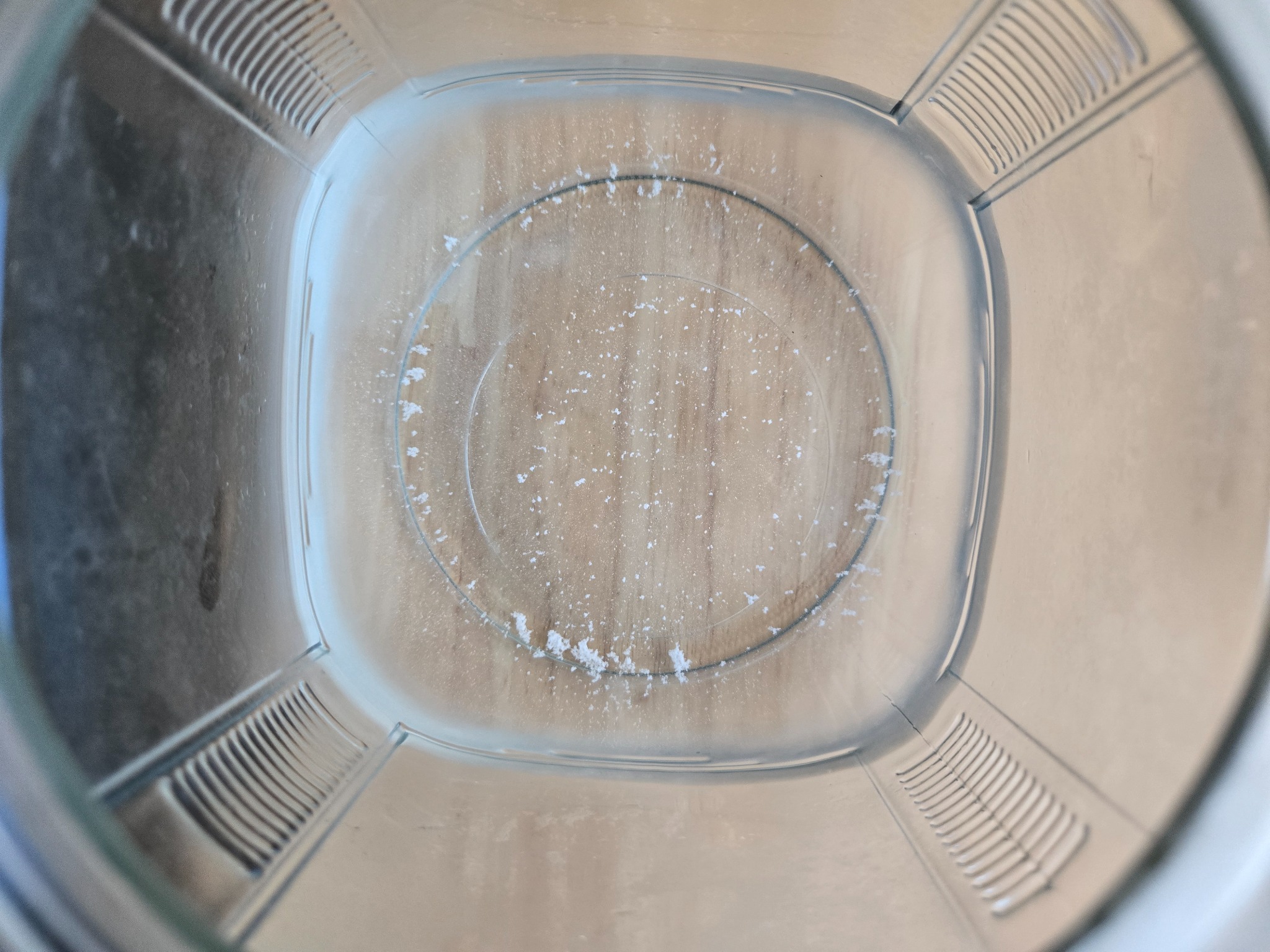
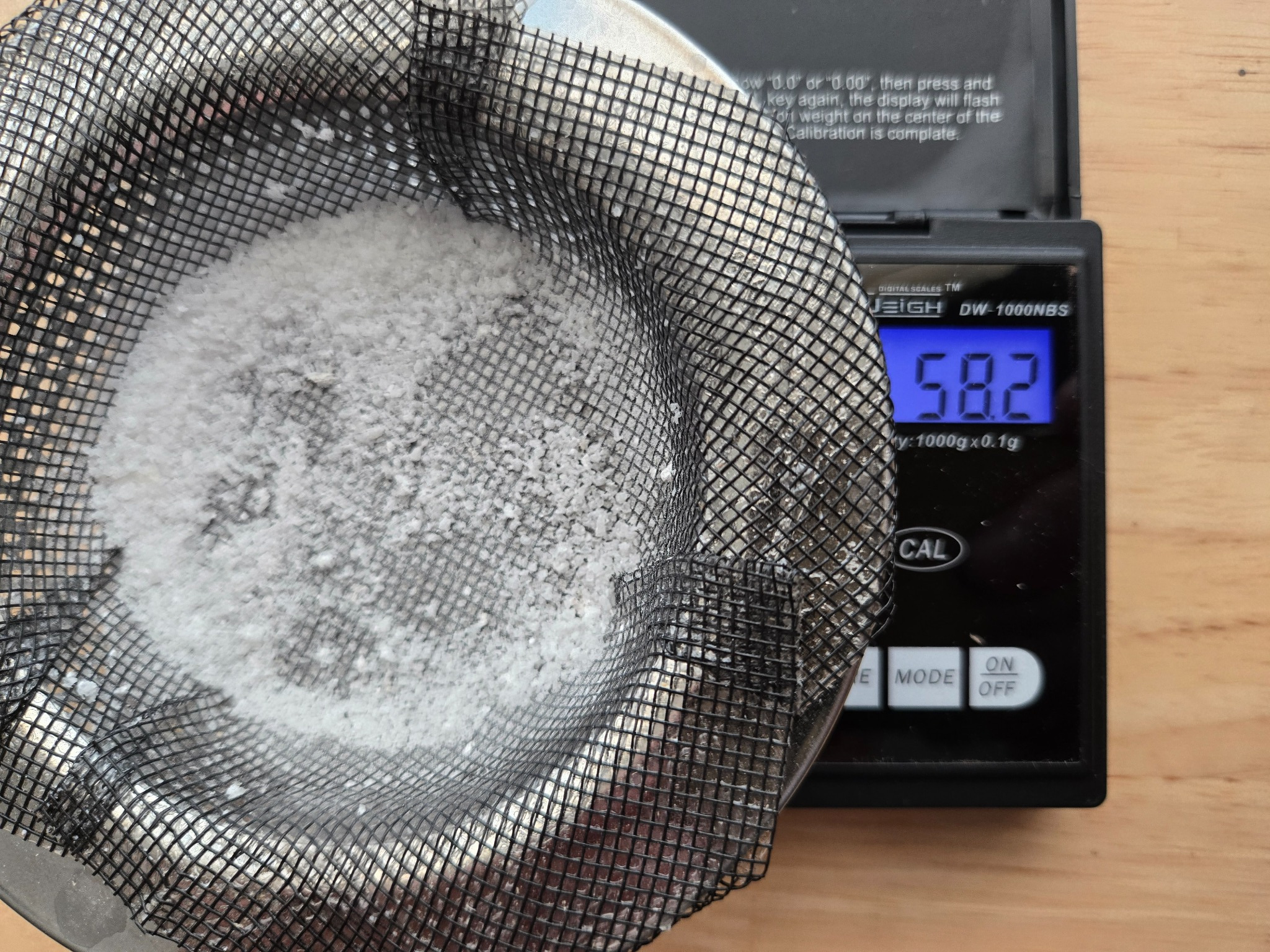
A 2.0 g starting sample was tested for 48 hours at 140°F. Initial dry strainer: 56.2 g; final dry strainer: 58.2 g. This indicates 2.0 g (100%) measurable screen-retained material after the test.
Time-lapse frequency: approximately 1 frame every 3 minutes.
Leading Competitive Product 140°F — Test Photos
Test duration: 48 hr | Measurable dry material retained: 2.0 g (100%). All 2.0 g of the starting sample was screen-retained at the test endpoint.
LEADING COMPETITIVE PRODUCT 200°F
200°F Comparison Test
2.0 g start • verified 24 hr 15 min • 1.3 g measurable retained material
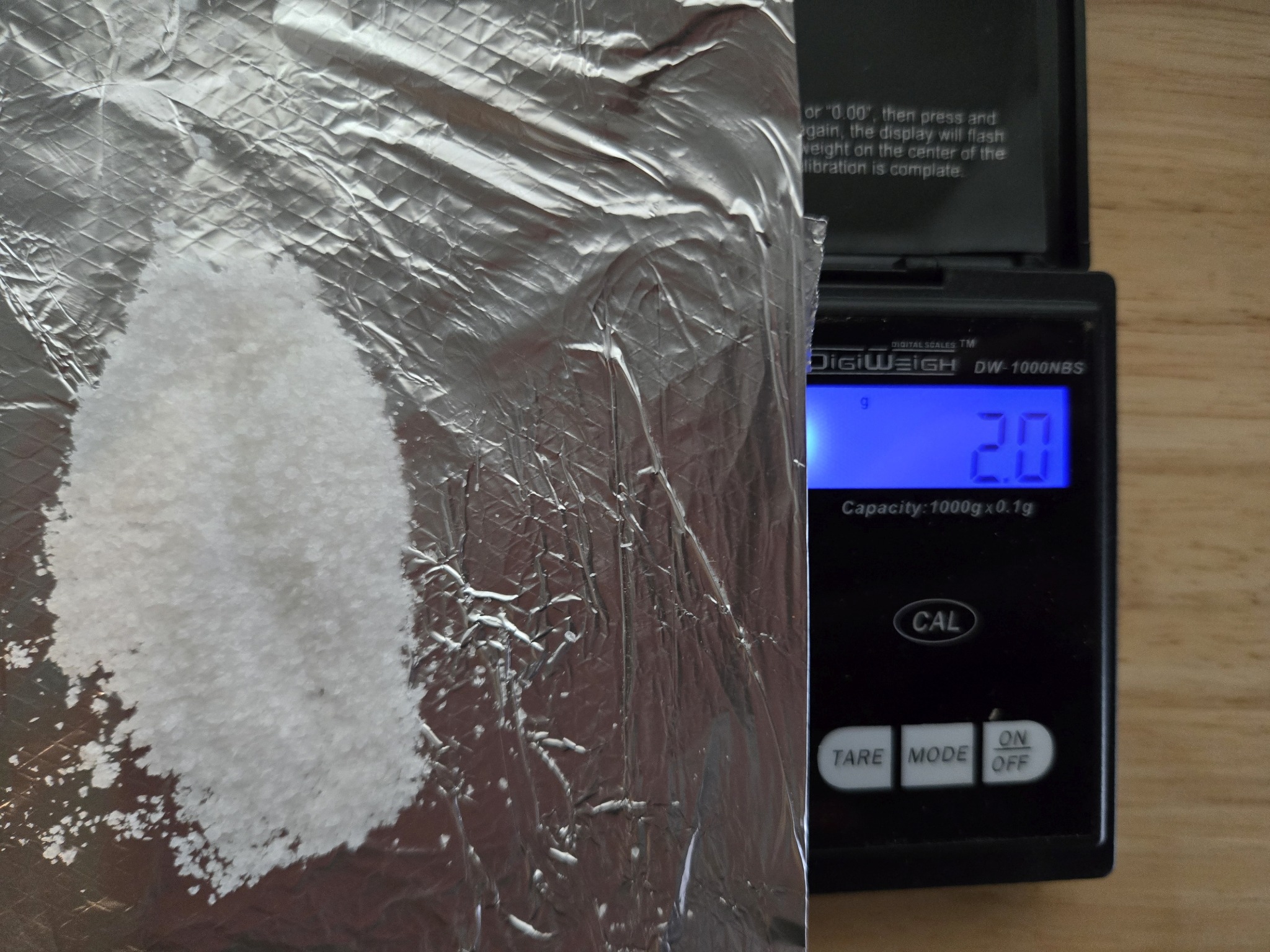
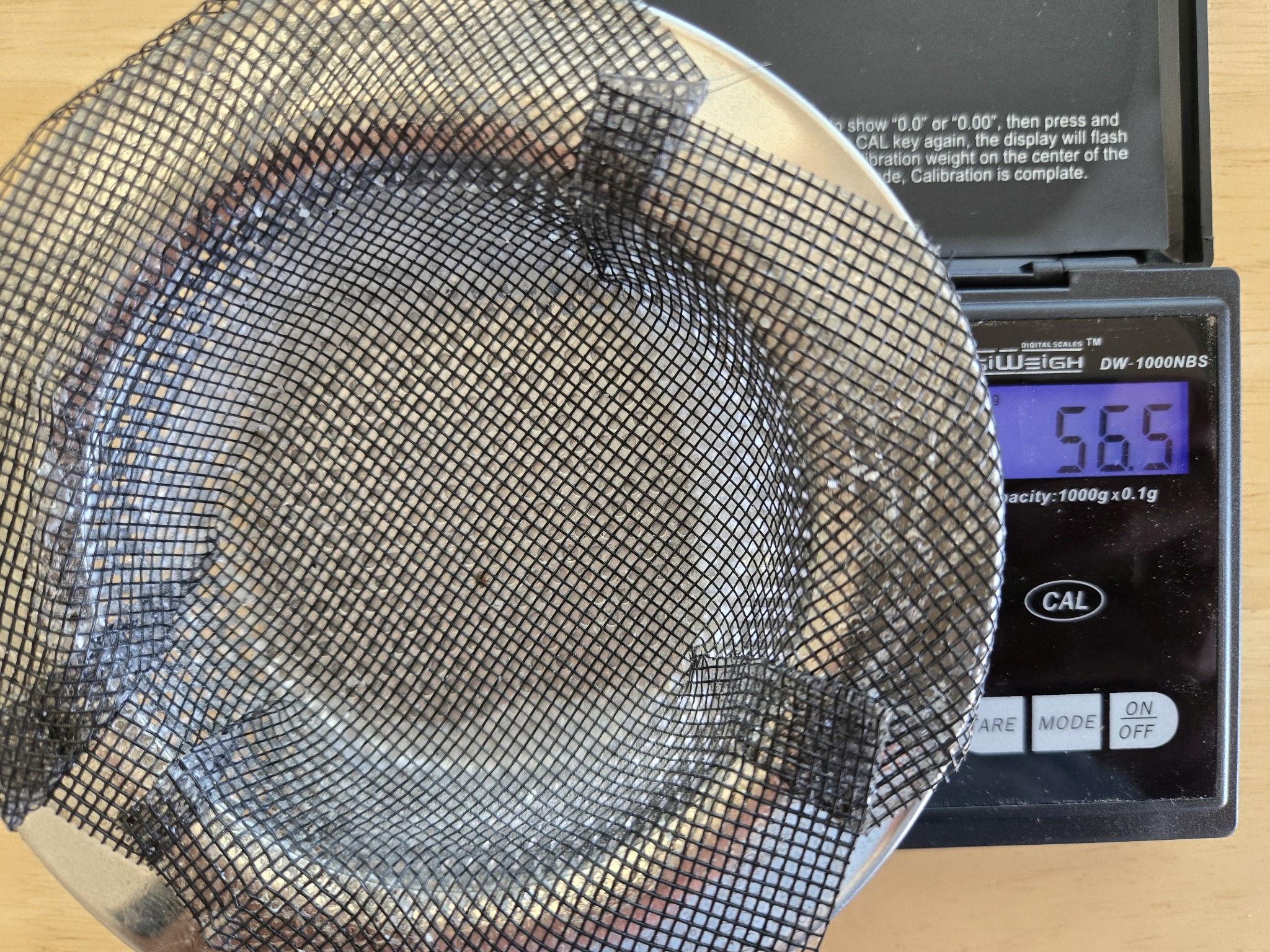
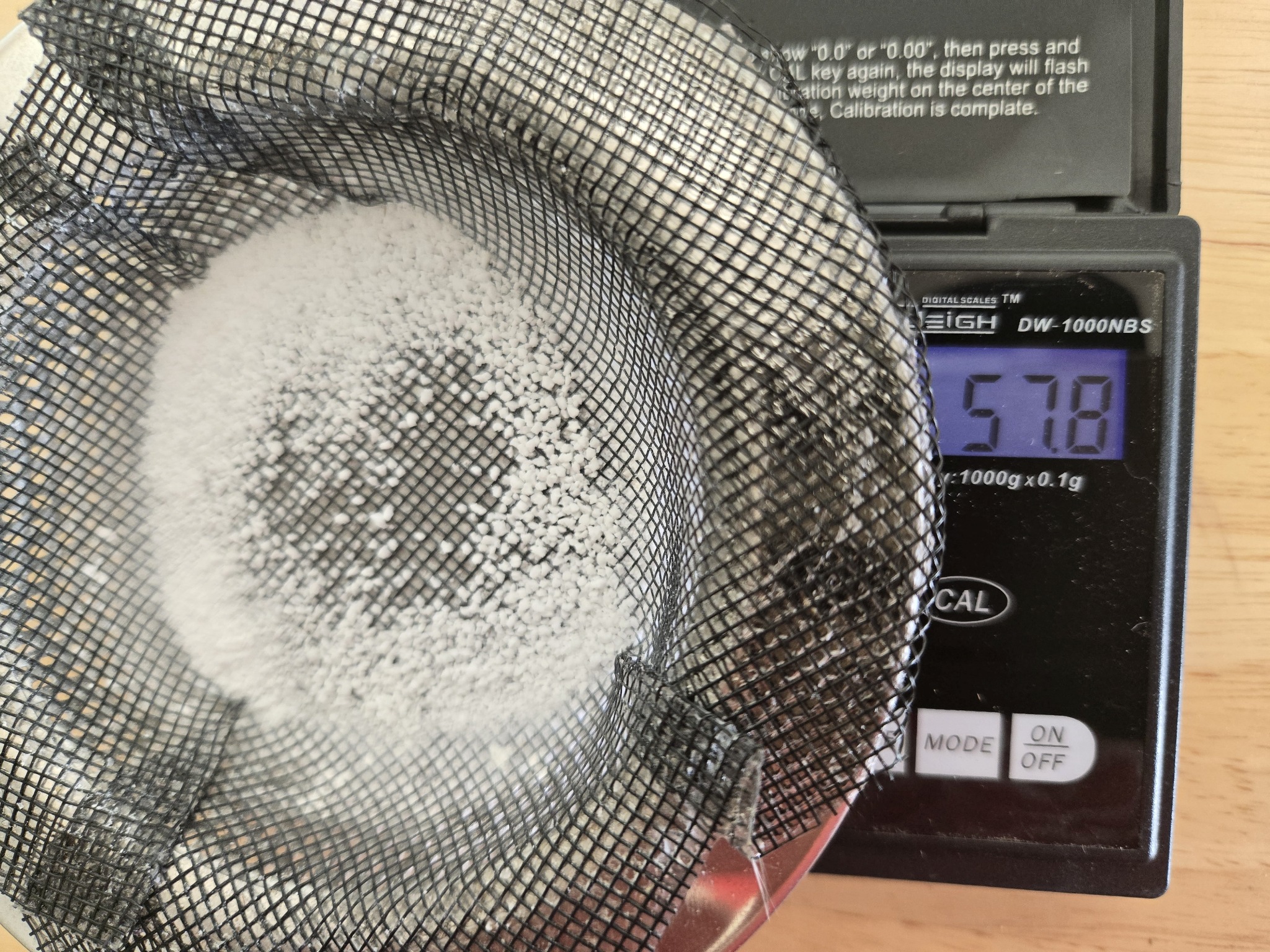
The initial dry strainer weighed 56.5 g and the final dry strainer weighed 57.8 g, yielding 1.3 g measurable retained material (65% of the 2.0 g sample). The video timestamps span 24 hr 15 min 8 sec.
Time-lapse frequency: approximately 1 frame every 3 minutes.
Leading Competitive Product 200°F — Short Test — Test Photos
Test duration: 24 hr 15 min 8 sec | Measurable dry material retained: 1.3 g (65%). Duration measured between recorded start and end time-lapse timestamps.
EXTENDED 200°F COMPARISON TEST
Leading Competitive Product — 6-Day 200°F Test
2.0 g start • 6-day endpoint • 0.4 g measurable retained material • 20% retained • 80% pass-through
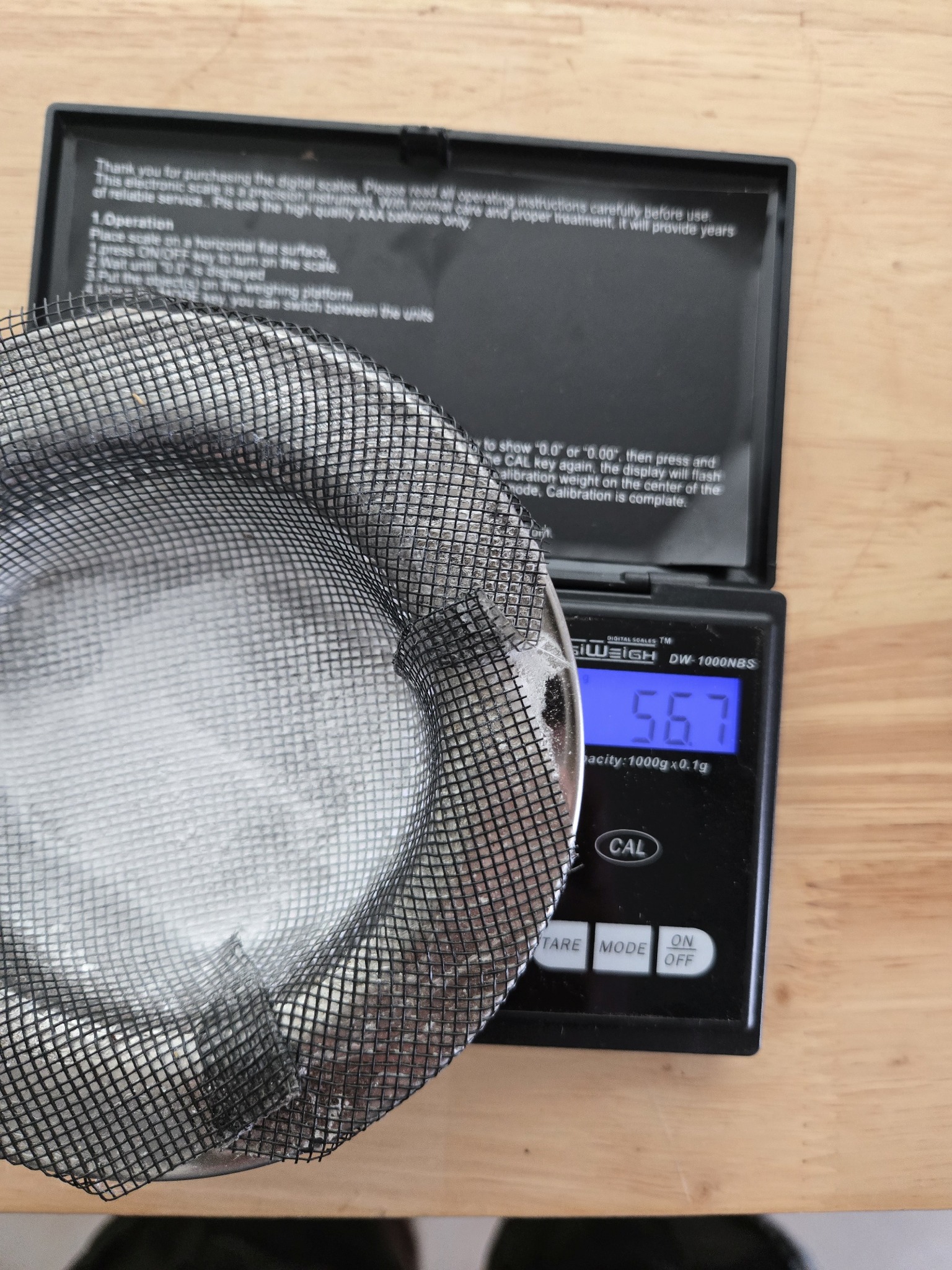
The initial dry strainer weighed 56.3 g. After six days at 200°F, followed by straining and drying, the final dry strainer weighed 56.7 g. The 0.4 g increase represents 20% of the original 2.0 g sample remaining screen-retained at the six-day endpoint.
Mass-equivalent perspective
A 20% retained fraction is equivalent to 200 lb of material per 1,000 lb deployed. If a comparable retained fraction occurred downhole, that residual material would represent material not cleared from the treated interval. This bench test does not directly measure downhole retained mass or production impairment; it demonstrates incomplete cleanup under the recorded test conditions.
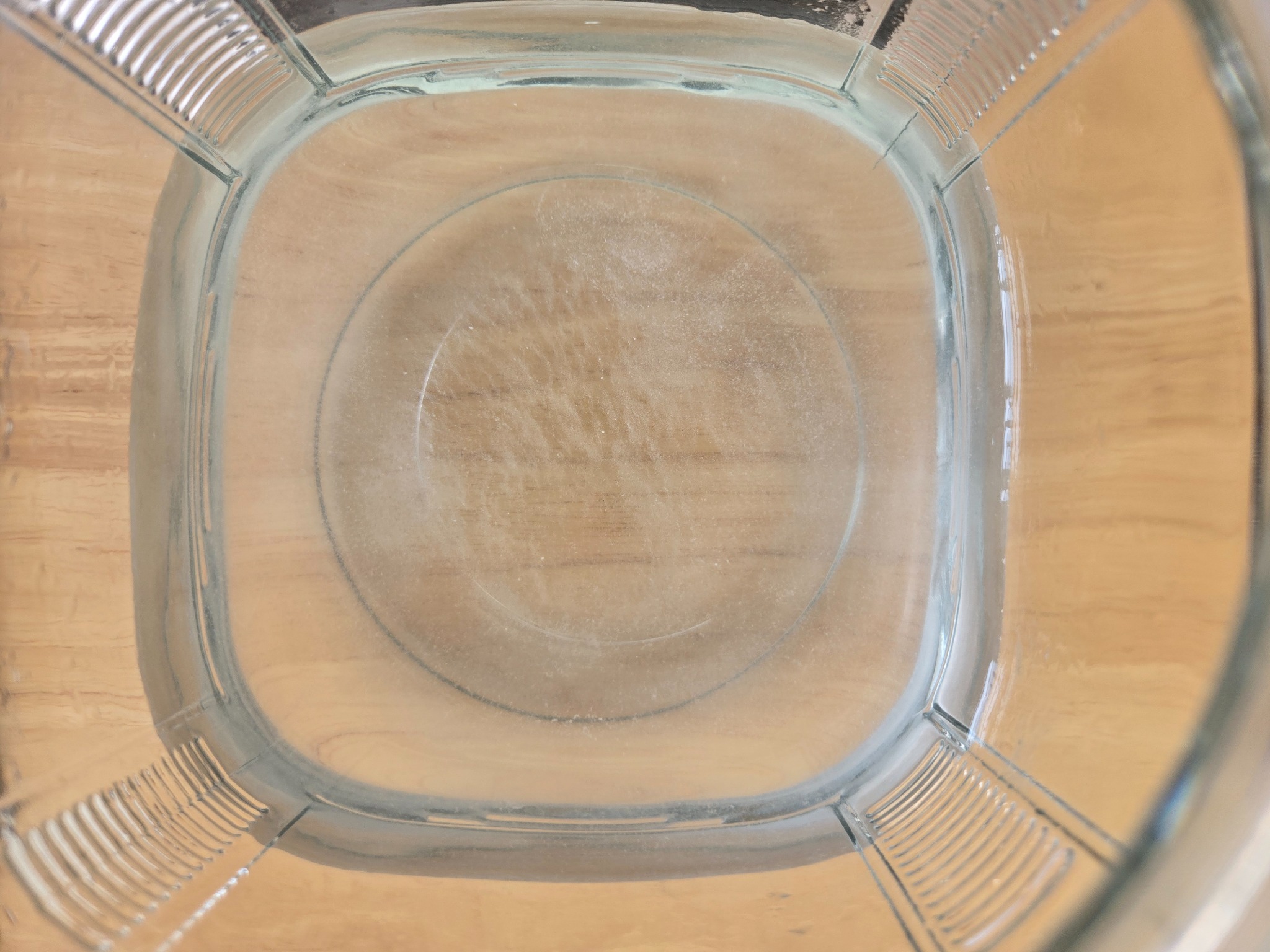
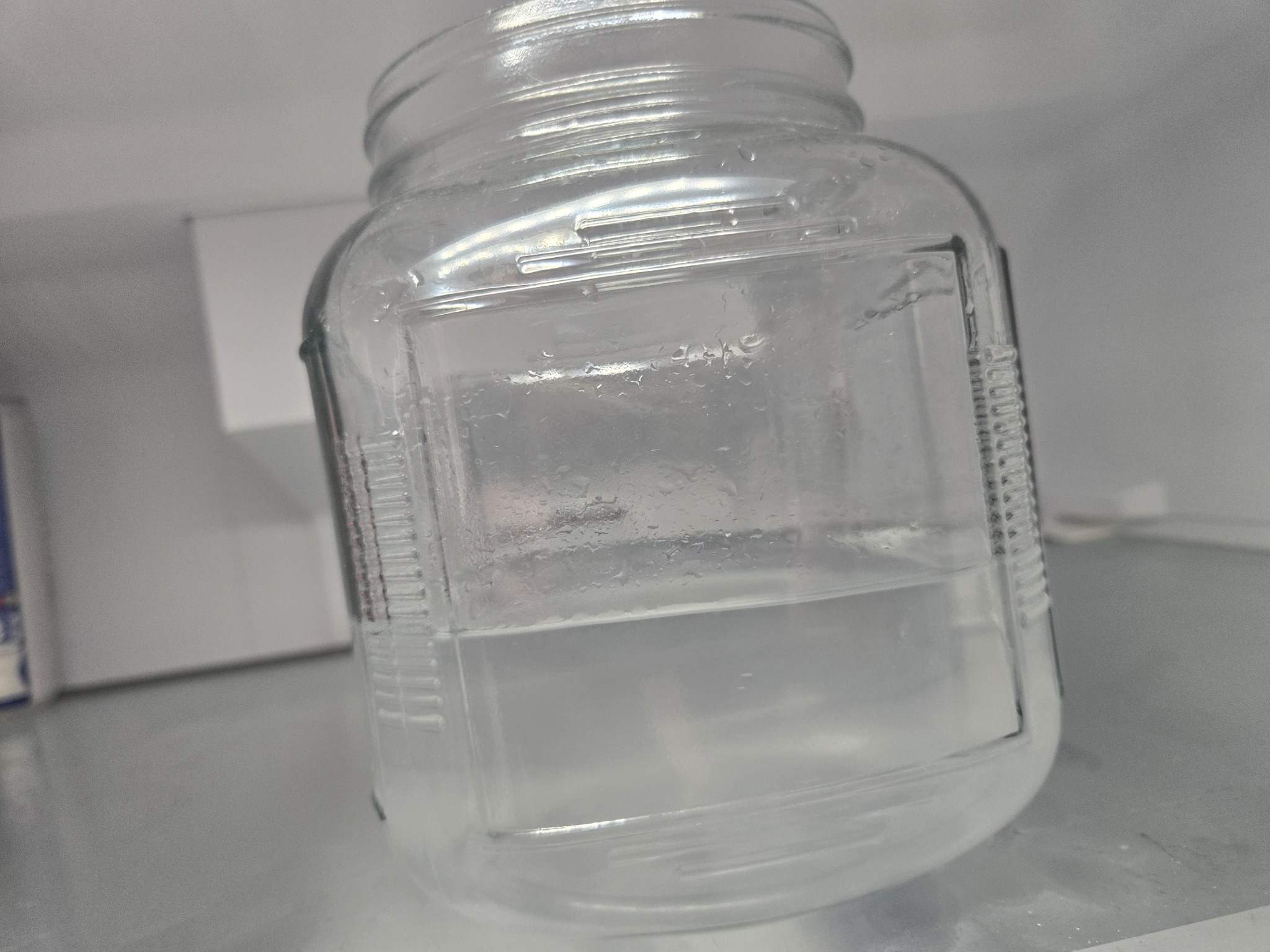
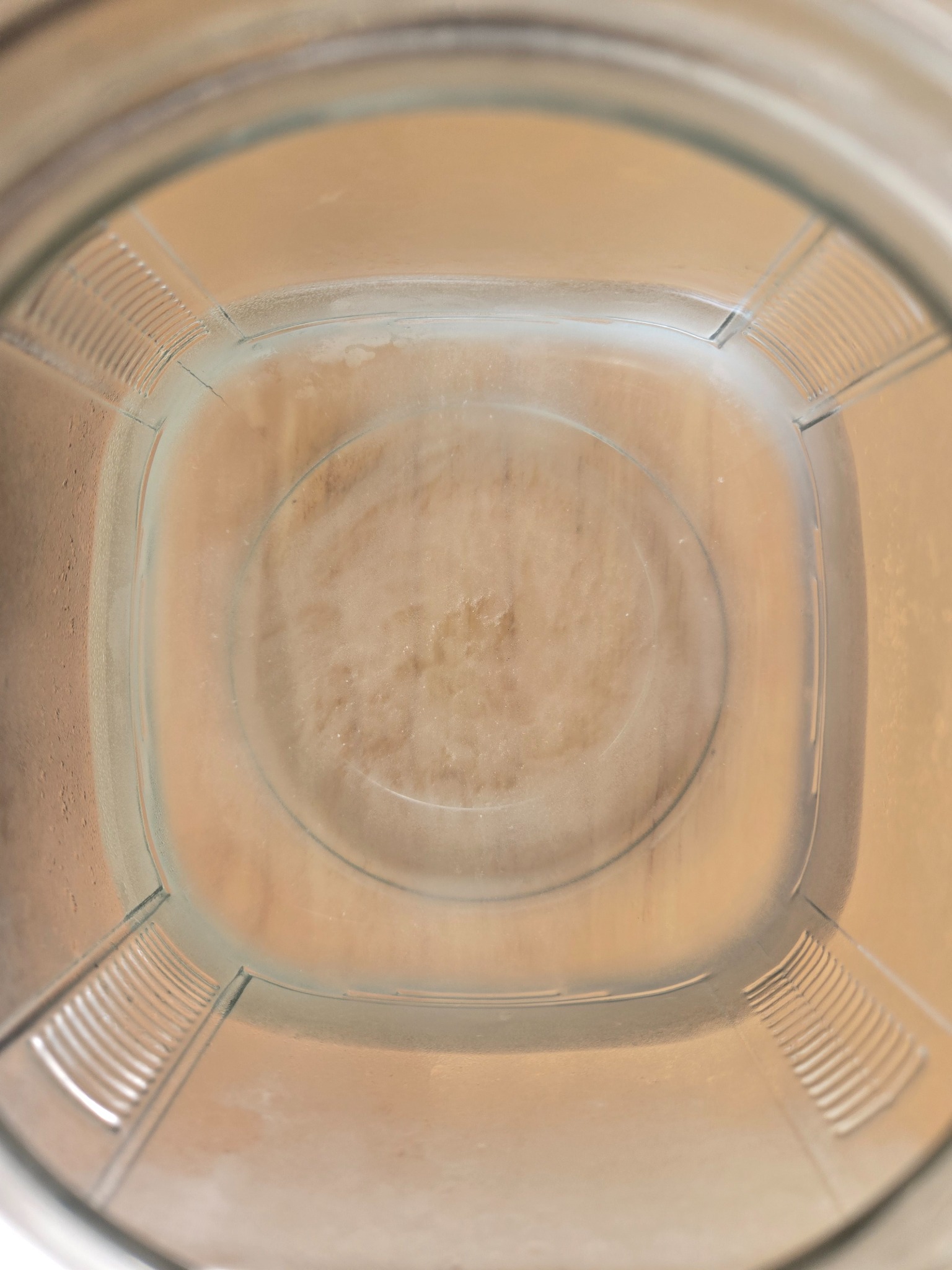
The photographs document the fluid condition during refrigeration and approximately 24 hours afterward. Visible particulate / solid material remained observable during this follow-up observation.
Leading Competitive Product 200°F — Six-Day Test — Test Photos
Test duration: 6 days | Measurable dry material retained: 0.4 g (20%). The after-refrigeration photo records the approximately 24-hour follow-up.